Living Like Locals in Korea: Jjimjilbang Over Palace Tours
On this page
The “living like locals” Korea trend is the growing habit among foreign visitors of spending their time in the places Koreans use for ordinary life: jjimjilbang (bathhouses), PC bang (gaming cafés), traditional markets, convenience stores, even a neighborhood fortune teller. The Korea Times put a name to it on February 25, 2026, in a report headlined “‘Living like Koreans’ is a new trend among visitors to Korea”, which follows travelers moving “beyond well-known landmarks such as royal palaces and Mount Nam.” It is a second itinerary running alongside the Gyeongbokgung-and-hanbok circuit, not a replacement for it.
Quick answers
- Living like a local in Korea usually means giving part of a trip to everyday spaces such as jjimjilbang, PC bang, traditional markets and late-night pojangmacha tents instead of filling every day with landmarks.
- The Korea Times reported the trend on February 25, 2026, naming bathhouses, PC cafés and fortune tellers as popular stops because locals visit them as part of everyday life.
- In 2026 Gyeongbokgung charges foreign adults ₩3,000 and closes by 6 p.m. for most of the year, while the big jjimjilbang cost a few times that and never close at all.
What Does the Living Like Locals Korea Trend Actually Mean?
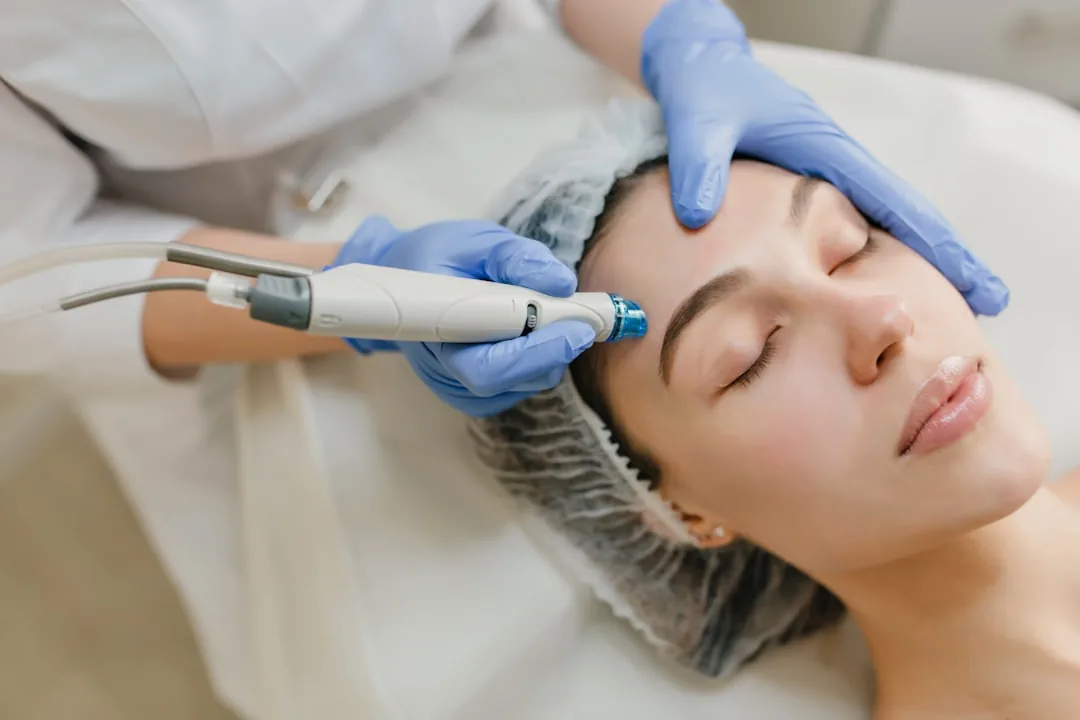
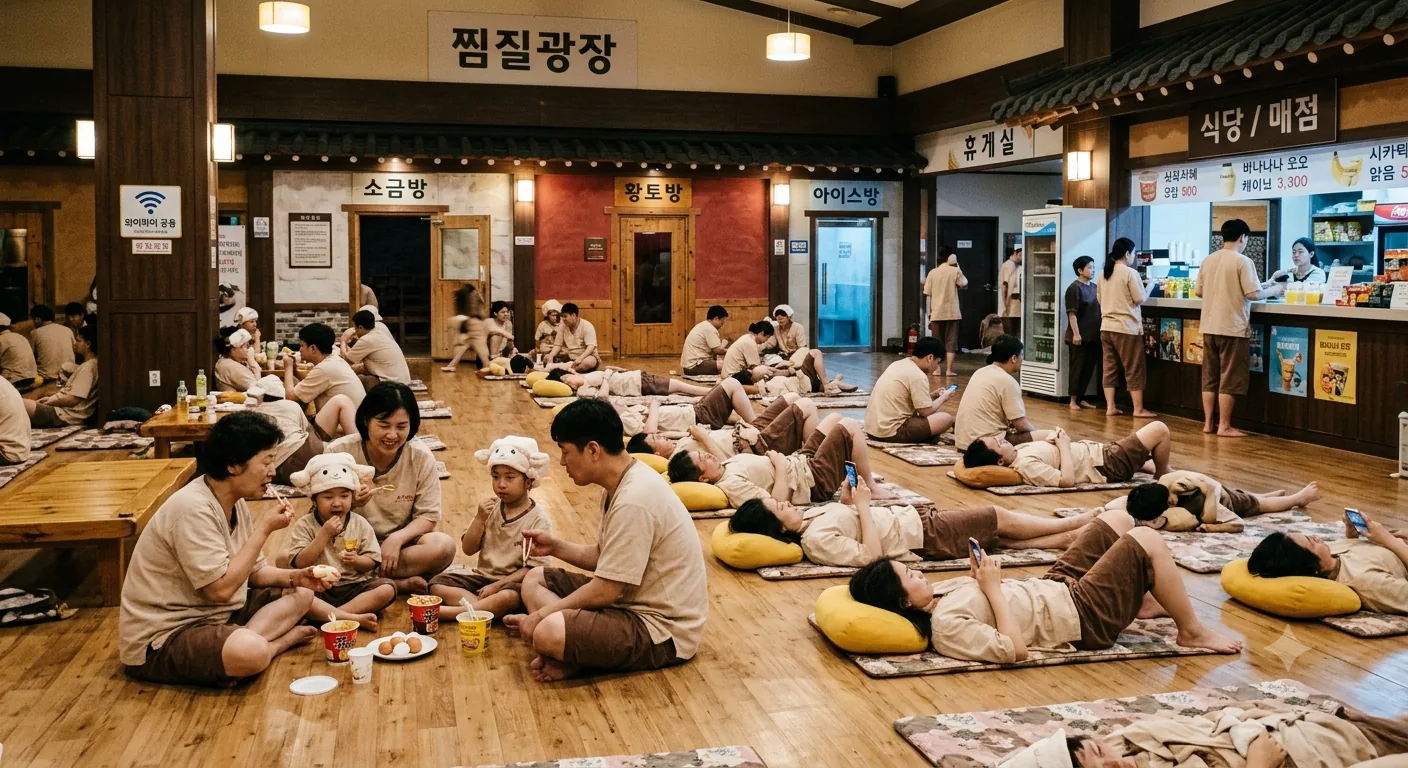
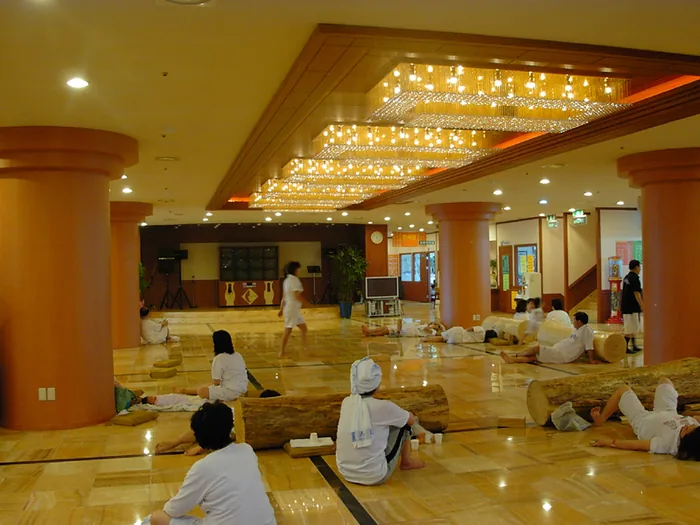
It means trading part of the checklist (palace, market, palace, café) for the places Koreans actually spend a Tuesday night. The Korea Times story opens on two visitors, one from Canada and one from Japan, who landed in Seoul on February 12 and went straight to a scalp care clinic in Myeong-dong after seeing it reviewed on social media. Clinic stops like that borrow a habit Koreans treat as routine upkeep, and the report backs the pattern with Korea Tourism Data Lab card data: medical and wellness services took 15.2% of foreign credit card spending in 2025, up from 9.8% in 2020. A jjimjilbang isn’t styled for tourists; it’s a 24-hour bathhouse-slash-sleepover where families nap on heated floors after soaking. A PC bang isn’t a novelty internet café; it’s where a large share of Seoul’s casual gamers actually play. Choosing those spaces over a palace tour is less about avoiding history and more about wanting the version of Korea that doesn’t pause for a photo.
Why Are Tourists Choosing Jjimjilbang Over Palace Tours?
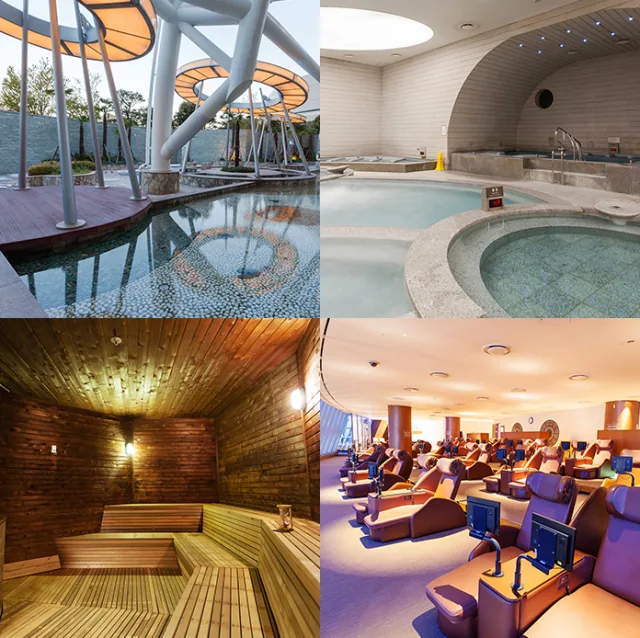
Opening hours explain more of it than price does. In 2026 Gyeongbokgung charges foreign adults ₩3,000, and the palace visiting rules close it by 6 p.m. for most of the year (6:30 p.m. from June to August) and all day on Tuesdays. A jjimjilbang is the pricier ticket, usually somewhere around ₩10,000 to ₩15,000 with overnight entry at the top of that range, but the big ones never close, so one admission covers a soak, the dry saunas and a night on a heated floor. Walk in after a late flight and you can stay for hours: nobody rushes you out, and nothing about the space asks you to behave like a visitor. That kind of low-pressure, extended stay is hard to replicate at a heritage site with roped-off courtyards and a closing bell. Tattoos rarely get in the way either, since the jjimjilbang tattoo rules are looser than most first-timers expect.
What Is a PC Bang and Why Do Visitors Go Now?
A PC bang is a pay-by-the-hour gaming café, usually stocked with high-end rigs, instant noodles and a house energy-drink menu, and it has turned into a genuine tourist stop rather than a local-only one. The Korea Times singles out the T1 Basecamp PC Cafe in Mapo District, run by T1, the team of Lee “Faker” Sang-hyeok, as “a pilgrimage site for global gamers visiting Korea.” Travelers go because it’s cheap, it’s social, and it puts them shoulder-to-shoulder with Korean gamers instead of behind a museum rope. You’ll find a PC bang near most subway exits in Seoul, which makes it one of the easiest “local” experiences to stumble into without planning anything.
Is This Trend Replacing Traditional Sightseeing Entirely?
Not entirely. Palaces, temples and museums still anchor most first-time itineraries, and the Korea Times framing is about going beyond them rather than skipping them: visitors adding Hongje Falls, Han River parks and Mount Bukhan, filming food content at traditional markets and convenience stores, and booking sessions with saju fortune tellers. The city has built for that demand. Seoul Tourism Organization opened the Bukhansan Urban Hiking Tourism Center in 2022, followed by centers at Mount Bugak and Mount Gwanak, where visitors can rent a full hiking kit instead of packing one. Pojangmacha tents at midnight belong to the same logic even though the report doesn’t name them. Repeat visitors especially seem to treat the landmark circuit as done business and go looking for the ordinary instead.
Frequently Asked Questions
Q: Why is living like a local suddenly popular with visitors to Korea?
Social media, mostly. “There is a stronger tendency to go where Koreans go, try what Koreans do and experience Korea’s modern culture and daily life,” Hanyang University tourism professor Kim Nam-jo told the Korea Times, adding that social media has significantly changed travel patterns.
Q: Is it safe for tourists to visit a jjimjilbang alone?
Yes. Jjimjilbang are family-friendly, staffed spaces; most require nudity in the gender-separated bathing areas, while the common lounge floors stay clothed and mixed.
Q: Do I need to speak Korean to use a PC bang?
No. Staff usually handle payment and login through a simple kiosk or ID scan, and most game clients default to a language you can navigate visually even without reading Korean.
Q: What should I bring to a jjimjilbang as a first-timer?
Nothing special. Towels and the cotton T-shirt-and-shorts uniform come with admission at the counter, so you can show up with just a phone and cash or a card.
Q: Is pojangmacha food different from regular Korean street food stalls?
Pojangmacha specifically refers to orange-tented tent bars that serve late-night food alongside soju and beer, which sets them apart from daytime street carts selling quick snacks.
Whether this becomes the dominant way people travel through Korea or stays a parallel niche, it has already changed what a “good trip” photo looks like: less palace gate, more steam-room selfie.
Part of Modern Lifestyle & Daily Life