Korean Skin Clinic Culture: Why It's as Routine as a Haircut
On this page
Korean skin clinic culture is routine in the most literal sense: in Seoul, booking a toning laser sits in the same mental category as a haircut or a manicure, low-commitment upkeep rather than a medical event, often squeezed into a lunch break. Locals don’t treat a quick dermatology visit as a splurge or a big decision; they treat it as maintenance. That everyday normalization is the whole story here, and it is exactly why the habit is now spreading to foreign visitors too.
Quick answers
- Korean skin clinic culture treats procedures like the toning laser as routine, low-commitment upkeep, closer to a haircut than a medical event, and often booked on a lunch break.
- A single toning laser session at a mid-range Seoul clinic runs roughly ₩50,000–100,000 in 2026, and regulars go back every two to four weeks.
- Dermatology drew 1.31 million foreign patients in 2025, 62.9 percent of all foreign patient care in Korea and 86.2 percent more than the year before, per Ministry of Health and Welfare figures.
Why Korean Skin Clinic Culture Treats a Toning Laser Like a Haircut
Korean skin clinic culture normalizes procedures that would raise eyebrows elsewhere by treating them as maintenance rather than intervention. A toning laser (a low-strength laser that breaks up pigment and gives skin a brighter, more even tone) takes about 20 minutes, requires no downtime, and costs about the same as a decent haircut. Clinics cluster near office districts like Gangnam and Yeouido specifically so people can walk in during a lunch break and walk out in time for their 2pm meeting. The most telling part isn’t that people get the procedure. It’s how little anyone remarks on it afterward, the same way no one announces a haircut. That maintenance instinct runs through the whole beauty routine around it, including the barefaced look many Koreans build toward once the pigment work is done.
What a Toning Laser Actually Does
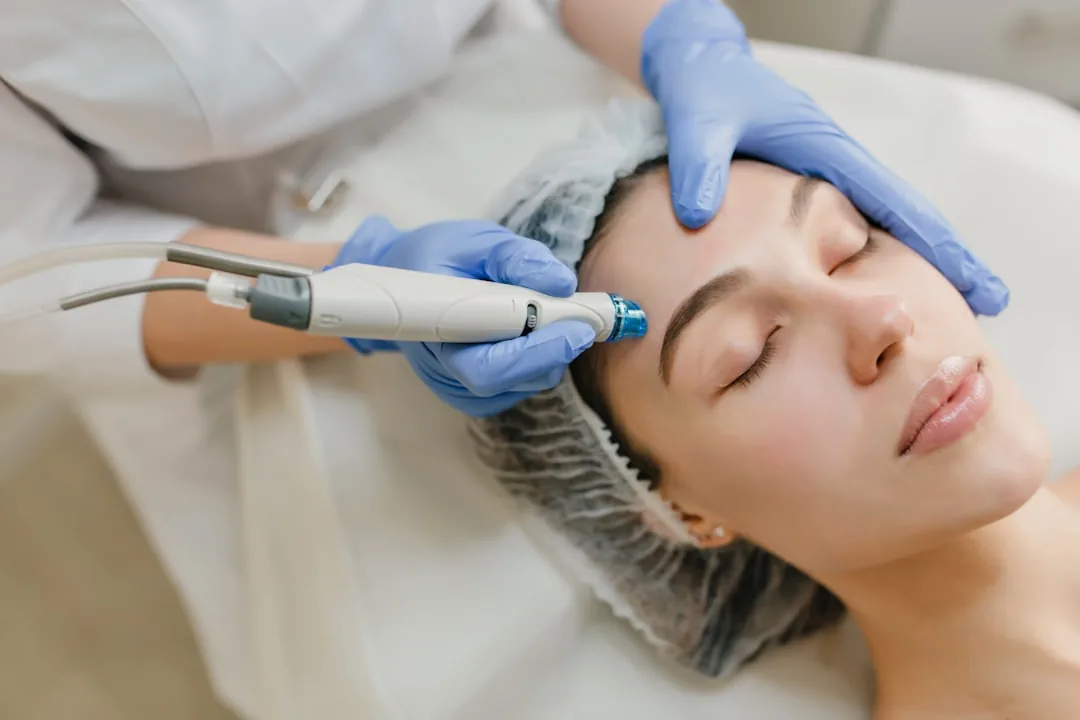
A toning laser targets melanin just beneath the skin’s surface, breaking up pigment and mild redness without cutting or piercing the skin. You’ll feel a warm snapping sensation, similar to a rubber band flick, and walk out with slightly pink cheeks that fade within an hour or two. It isn’t a single fix. The effect builds with repeat sessions spaced two to four weeks apart, which is exactly why it fits so naturally into a recurring routine rather than a one-time splurge.
How Much Does a Toning Laser Cost in Korea?
A single toning laser session at a mid-range Seoul clinic costs roughly ₩50,000 to ₩100,000 (about $35 to $70) in 2026, with package deals bringing the per-session price down further for regulars. Premium clinics in Apgujeong or Cheongdam charge more, but plenty of neighborhood dermatology offices offer the same core treatment for less than a nice dinner out. Cosmetic laser work is non-covered care, priced by each clinic rather than set by the national health insurance schedule, which is why quotes vary so widely between one street and the next. Article 45 of the Medical Service Act requires every clinic to post those non-covered prices where patients can see them, and bars it from charging more than the posted figure. That posted-price habit is part of what makes a visit feel like an errand: the number is on the wall before you sit down.
Why Foreign Visitors Are Booking Skin Clinics Too
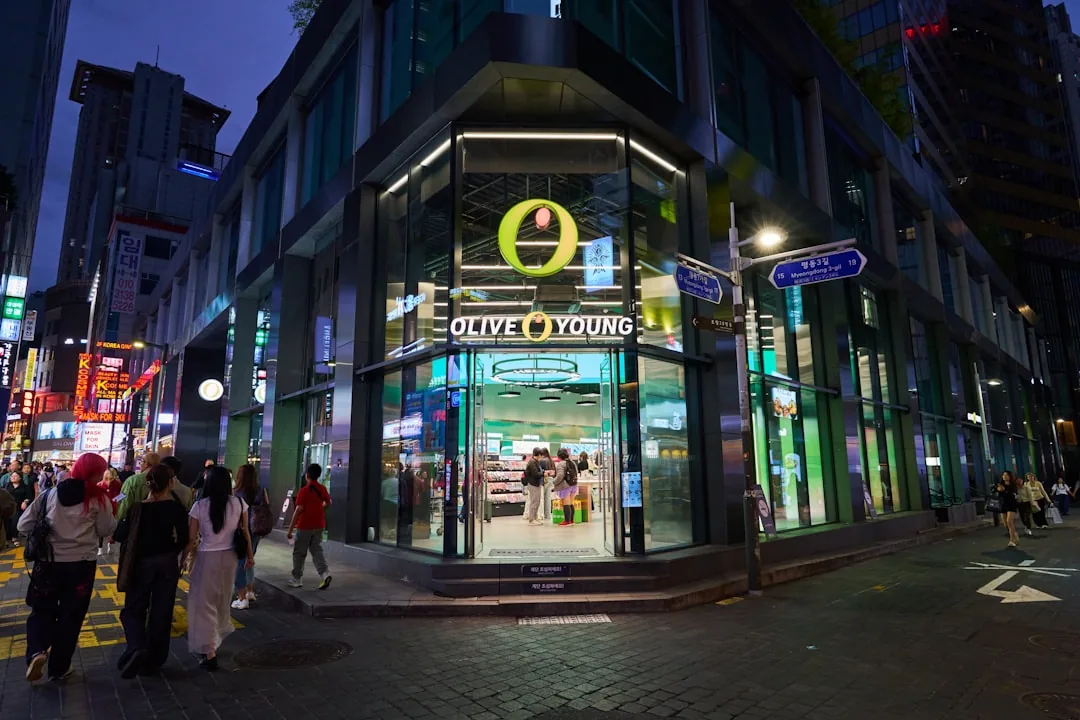
Korea logged 2.01 million foreign patients in 2025, the first time the annual count has passed two million since the statistics began in 2009, and dermatology alone accounted for 1.31 million of them, or 62.9 percent of all foreign patient care, according to the Ministry of Health and Welfare. Dermatology also grew fastest of any specialty, up 86.2 percent on the previous year, well ahead of plastic surgery at 11.2 percent of the total. Tourists who once came to Korea for skincare shopping hauls are now booking the clinic visit itself, often scheduling a toning laser between sightseeing stops and pairing it with a tax-refunded Olive Young run the same afternoon. You don’t need fluent Korean either, because clinics near tourist-heavy areas like Myeongdong and Hongdae now run English-language consultations specifically to catch this demand.
What to Expect at Your First Visit
Walk-ins are common, but booking through a clinic’s KakaoTalk channel or an app gets you seen faster. A consultation with a dermatologist precedes the actual laser, and you should expect them to check your skin type and flag anything that needs a different approach first. Clinics that treat international patients also have to register with the government under the Act on Support for Overseas Expansion of Healthcare System and Attraction of Foreign Patients, and you can look up any clinic in the official registry of registered institutions before you book. Bring sunscreen. Clinics will tell you to avoid direct sun for a day or two afterward, and skipping that step is the one mistake that turns a routine visit into an actual recovery period.
Frequently Asked Questions
Q: Do Koreans think of skin clinic visits as cosmetic surgery?
No, and the two sit in visibly different categories. Toning lasers, mild peels and injectables involve no incision and no recovery time, so people file them under upkeep rather than under a decision worth discussing. The gap shows up in the national numbers too: dermatology accounted for 62.9 percent of foreign patient care in 2025 against 11.2 percent for plastic surgery.
Q: Is a toning laser painful?
No. Most people describe it as a warm, snapping sensation rather than pain, and numbing cream typically isn’t needed for a standard session.
Q: How often do Koreans get toning lasers?
Regulars typically go every two to four weeks, treating it as ongoing maintenance rather than a one-time treatment.
Q: Can tourists get a toning laser in Korea without speaking Korean?
Yes. Clinics in tourist-heavy neighborhoods like Myeongdong and Hongdae increasingly offer English-language consultations to serve the rising number of foreign visitors booking treatments.
Q: How much does a toning laser cost compared to a haircut in Seoul?
They land in a similar range. A mid-range haircut in Seoul costs about ₩20,000–40,000, while a toning laser session runs roughly ₩50,000–100,000 in 2026, close enough that locals budget for both the same way.
Korean skin clinic culture isn’t really about vanity. It’s about maintenance, the same instinct that has you booking a haircut before it looks shaggy. Long-term resident or one-week visitor, the barrier to trying it yourself is lower than most foreigners expect.
Part of K-Beauty & Skincare Culture