
Latest Stories
How to Say Thank You in Korean: Which Form for Which Person
How to say thank you in Korean: 감사합니다 and 고맙습니다 are both fully polite, 고마워요 is everyday polite, and 고마워 is for close friends and younger family.
The map fills in as articles are published.
How to say thank you in Korean: 감사합니다 and 고맙습니다 are both fully polite, 고마워요 is everyday polite, and 고마워 is for close friends and younger family.

Korean pharmacy phrases for tourists, symptom by symptom: headache, upset stomach and cold, plus the pharmacist's questions and where to buy medicine late.
Papago's offline mode covers text only, not photos. Set up a Korean translation app for travel so a handwritten menu or kiosk doesn't strand you.
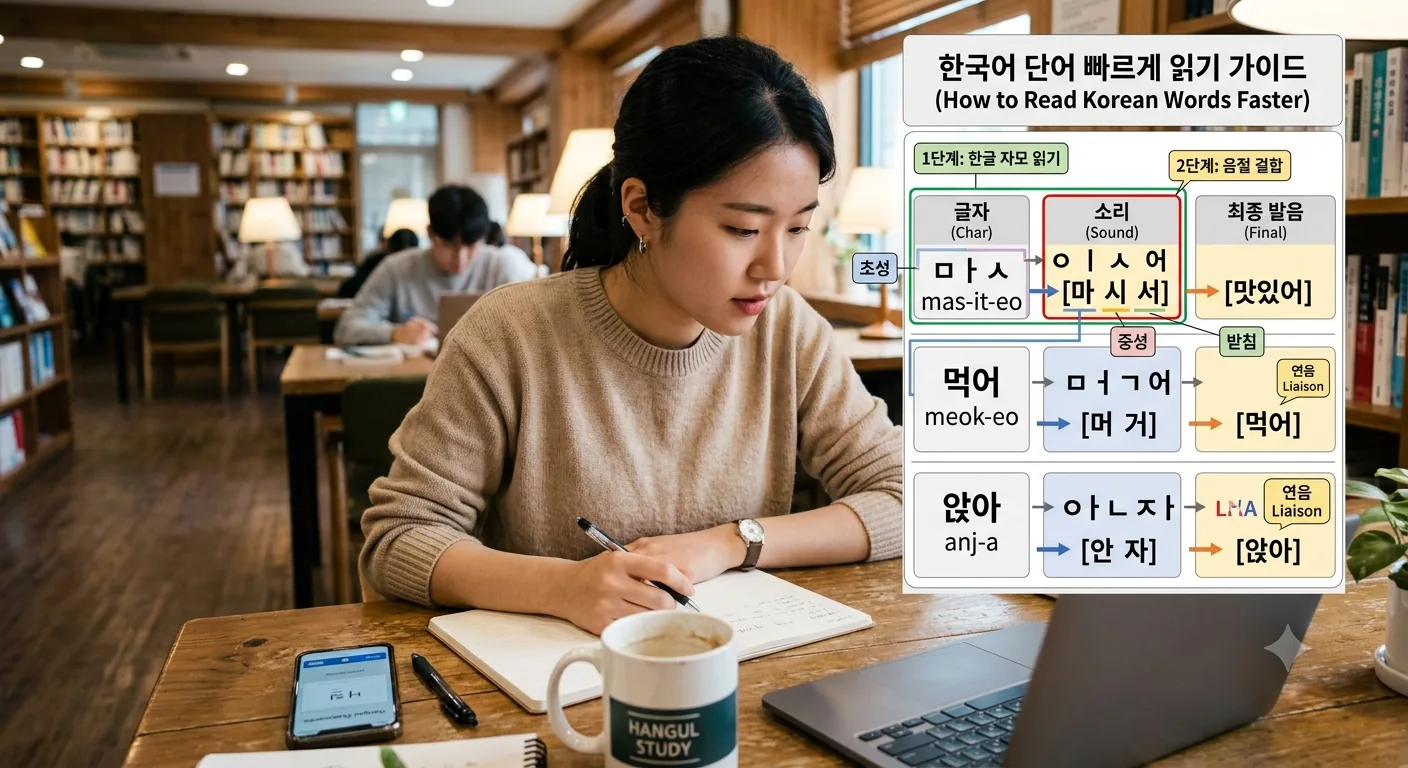
To read Korean words faster, stop decoding letters one by one and learn the four sound-change rules that make spelling and speech drift apart.
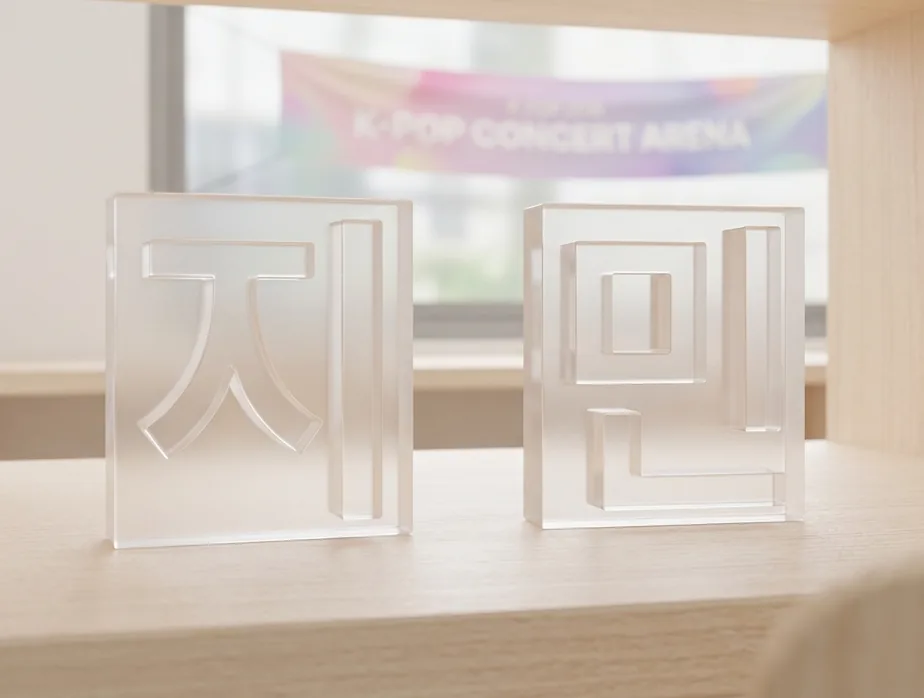
Learn to read Hangul in an afternoon by decoding the real stage names behind BTS, BLACKPINK, and IVE members you already recognize.

The Korean honorific mistakes that actually offend: why surname + 씨 lands as condescending, when 씨 beats 님, and the verb ending learners forget.

Your own gender picks the word: women say oppa and unnie, men say hyung and noona. Plus what to call someone younger, and where the system stops.
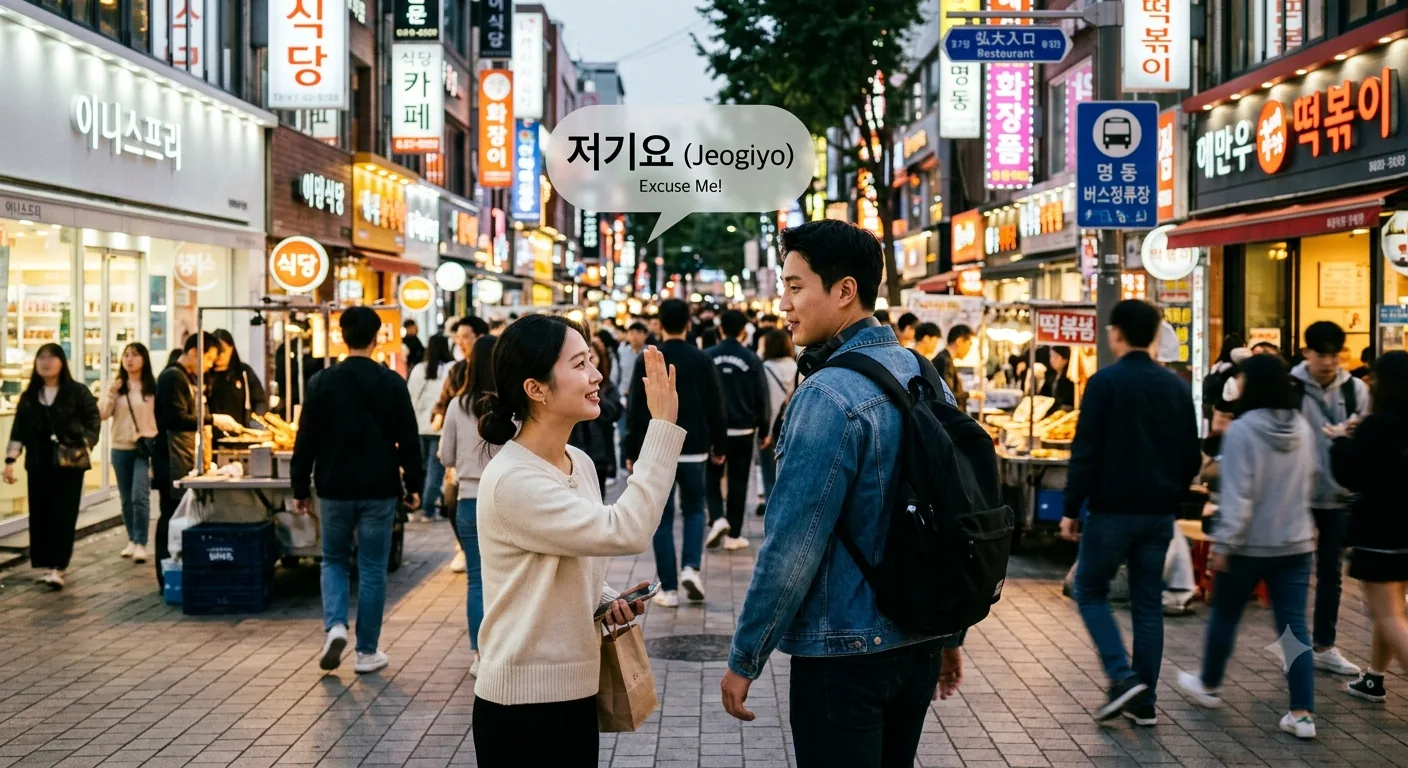
Chogiwa is how English ears write 저기요 (jeogiyo), the neutral-polite Korean for 'excuse me'. Here's the real meaning, spelling, and when to use it.

What ipdeok, choeae and deokjil really mean: a plain-English guide to K-pop fandom Korean words, with pronunciation and example sentences.
How to say thank you in Korean: 감사합니다 and 고맙습니다 are both fully polite, 고마워요 is everyday polite, and 고마워 is for close friends and younger family.
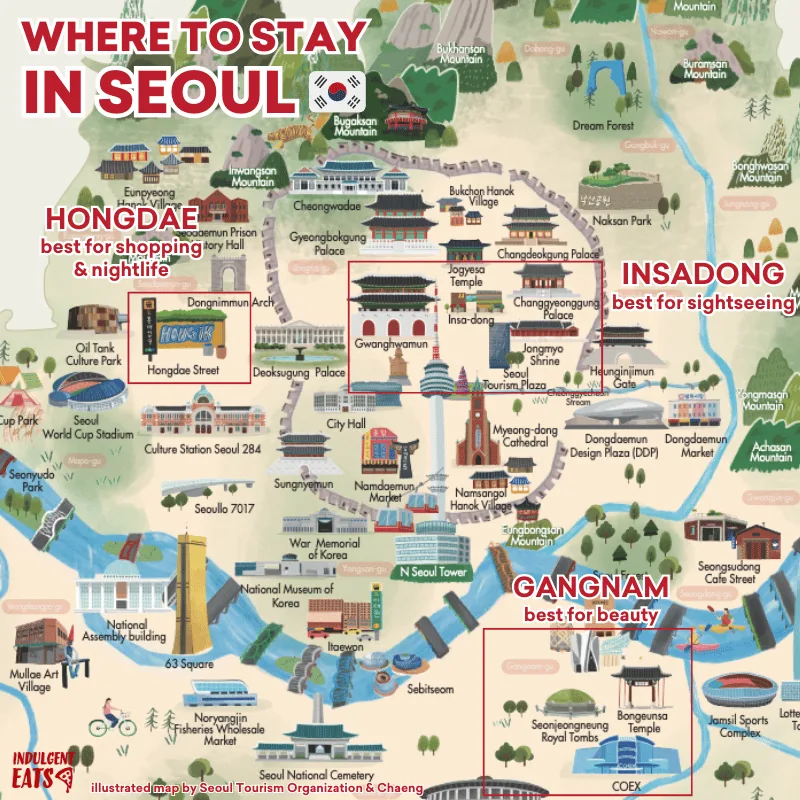
The six Korean grammar patterns that get you through ordering, asking prices, and directions on a week-long trip — no conjugation charts, no full course.
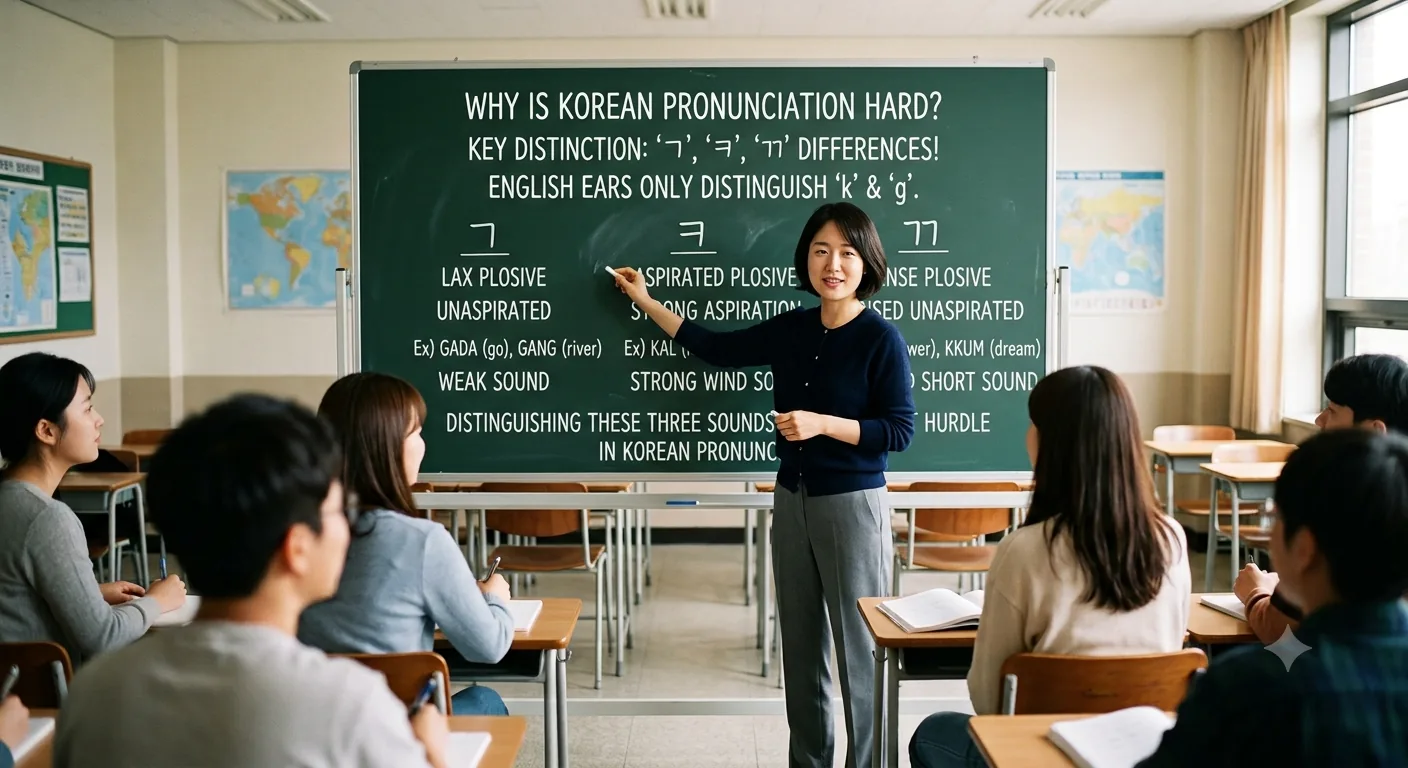
Korean pronunciation is hard mostly because of one split: ㄱ, ㅋ and ㄲ are three different consonants, and English ears have only k and g to sort them into.
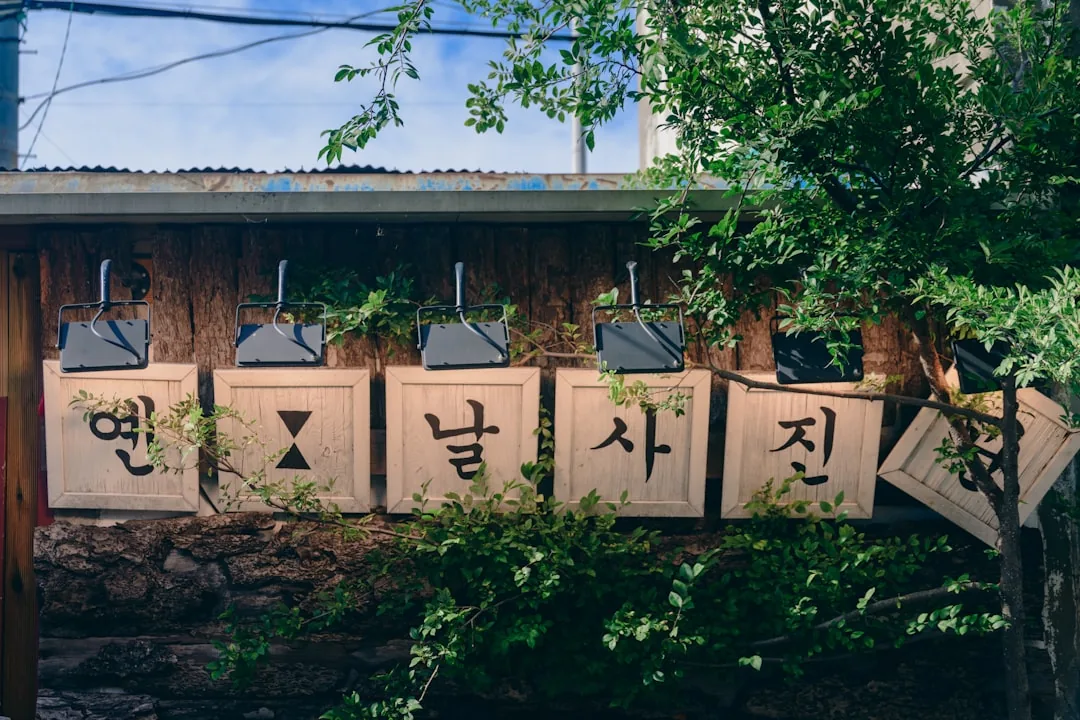
Kim, Lee, and Park don't sound like their English spelling. Here's how to pronounce these Korean surnames, plus Choi, Jung, and Kang.

Korean slang 'Leeds days' (리즈 시절) means someone's peak years, now past. It began with Leeds striker Alan Smith, not the club's famous collapse.

What Korean dating slang words like sseom, namsachin, namchin and mildang mean, how to say them, and what Korea's national dictionary says.
Korean pronunciation is hard mostly because of one split: ㄱ, ㅋ and ㄲ are three different consonants, and English ears have only k and g to sort them into.
Korean pharmacy phrases for tourists, symptom by symptom: headache, upset stomach and cold, plus the pharmacist's questions and where to buy medicine late.
Papago's offline mode covers text only, not photos. Set up a Korean translation app for travel so a handwritten menu or kiosk doesn't strand you.
Chogiwa is how English ears write 저기요 (jeogiyo), the neutral-polite Korean for 'excuse me'. Here's the real meaning, spelling, and when to use it.
To read Korean words faster, stop decoding letters one by one and learn the four sound-change rules that make spelling and speech drift apart.
The Korean honorific mistakes that actually offend: why surname + 씨 lands as condescending, when 씨 beats 님, and the verb ending learners forget.
Your own gender picks the word: women say oppa and unnie, men say hyung and noona. Plus what to call someone younger, and where the system stops.
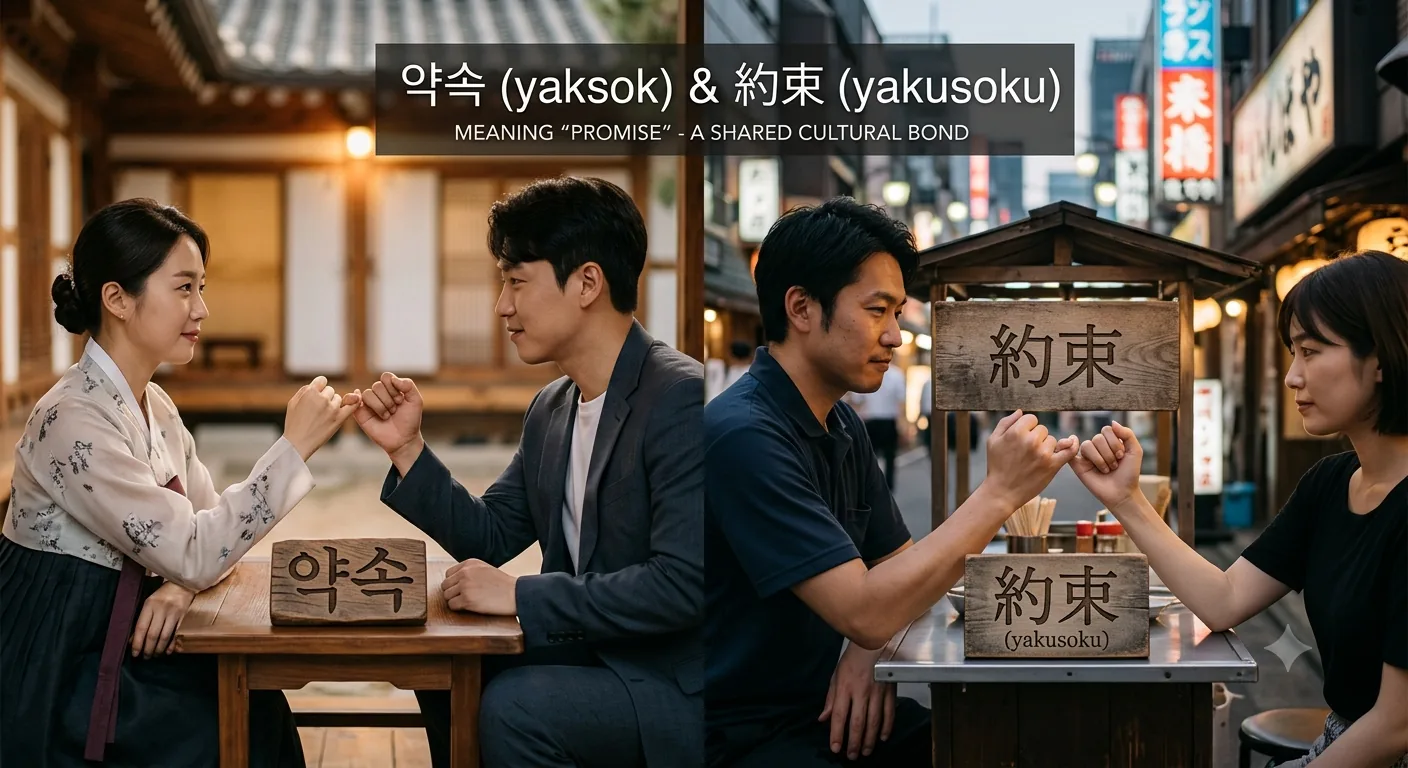
Yaksok (약속) is the same word as Japanese yakusoku, and it means promise in Korean. Here is why the two languages share hundreds of these twins.

The four Korean skin type words, 지성 (oily), 건성 (dry), 복합성 (combination) and 민감성 (sensitive), decoded so you can read any K-beauty label at a glance.
What ipdeok, choeae and deokjil really mean: a plain-English guide to K-pop fandom Korean words, with pronunciation and example sentences.
Learn to read Hangul in an afternoon by decoding the real stage names behind BTS, BLACKPINK, and IVE members you already recognize.
No articles found