Cafe Hopping in Seoul: Meaning & Best Theme Cafes
On this page
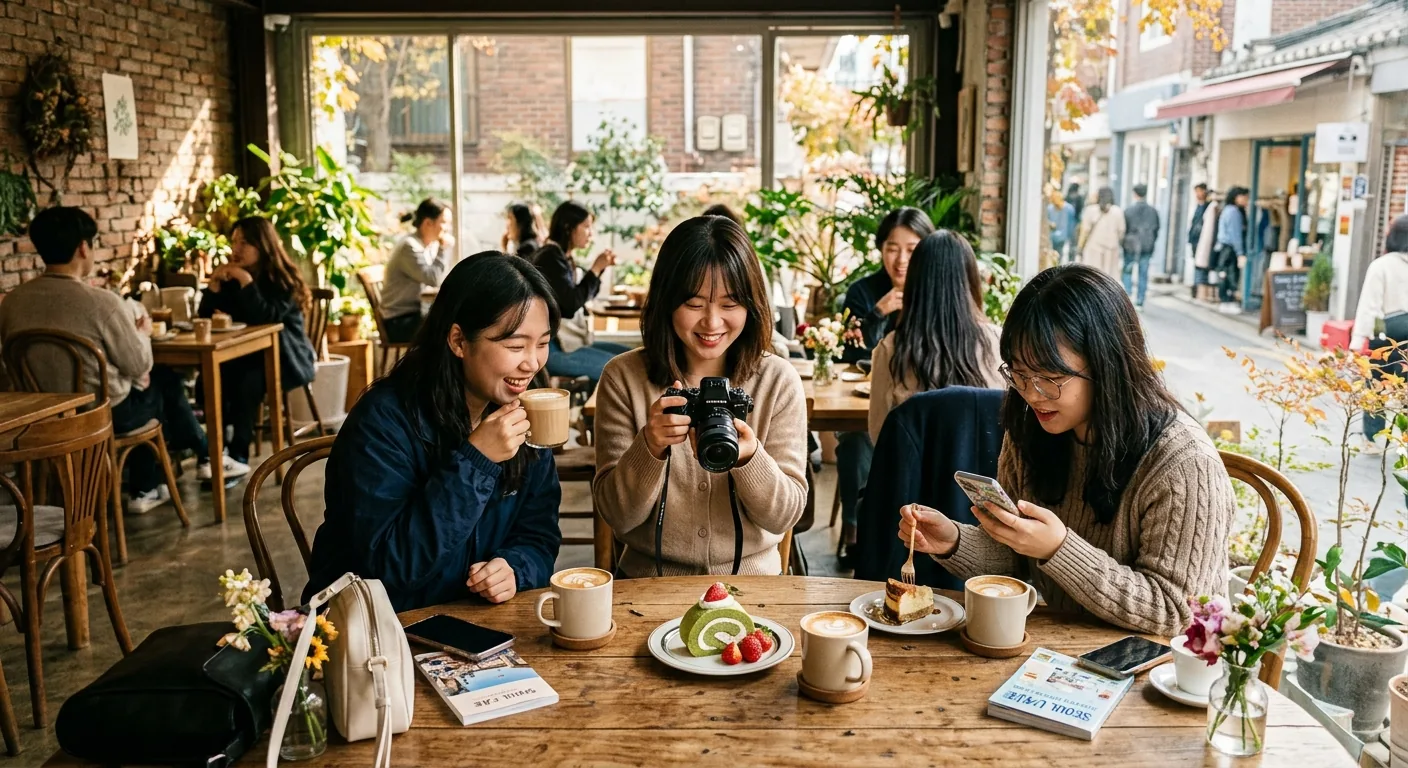
Cafe hopping means visiting several cafes in one outing: one drink per stop, about twenty minutes each, treating the space itself as the destination instead of the coffee. In Seoul that simple idea has grown into a citywide habit built around theme cafes, rooms designed around a concept (a deep-sea aquarium, a converted 1970s factory, a hanok courtyard) rather than a signature roast. What surprises most first-timers is that nobody’s really talking about the espresso; a “good” cafe here means one worth photographing before it means one worth drinking. Think of it as bar hopping, minus the hangover and plus a warm scone at every stop.
Quick answers
- Cafe hopping is visiting several cafes in a single outing, one drink per stop: the dessert-and-coffee cousin of bar hopping.
- Seoul’s version revolves around theme cafes, spaces built around a concept (a deep-sea aquarium, an old factory, a hanok courtyard) rather than a coffee specialty.
- Anchor a route in one neighborhood (Seongsu-dong, Ikseon-dong or Hongdae), keep 3–4 stops within a 10-minute walk, and budget per stop: a pastry at an Ikseon-dong hanok cafe runs about ₩5,000–8,000 before your drink.
What does “cafe hopping” mean?
Cafe hopping means visiting several cafes in one outing, usually within walking distance of each other, and treating each stop as a short experience rather than a place to settle in. You’re not there to camp out with a laptop for three hours; you’re there for twenty minutes, one drink, and whatever the space is built around. Seoul took the idea further than most cities: the destination is the room, not the roast, so you can happily drag along a friend who doesn’t even drink coffee.
Cafe hopping vs. food hopping: what’s the difference?
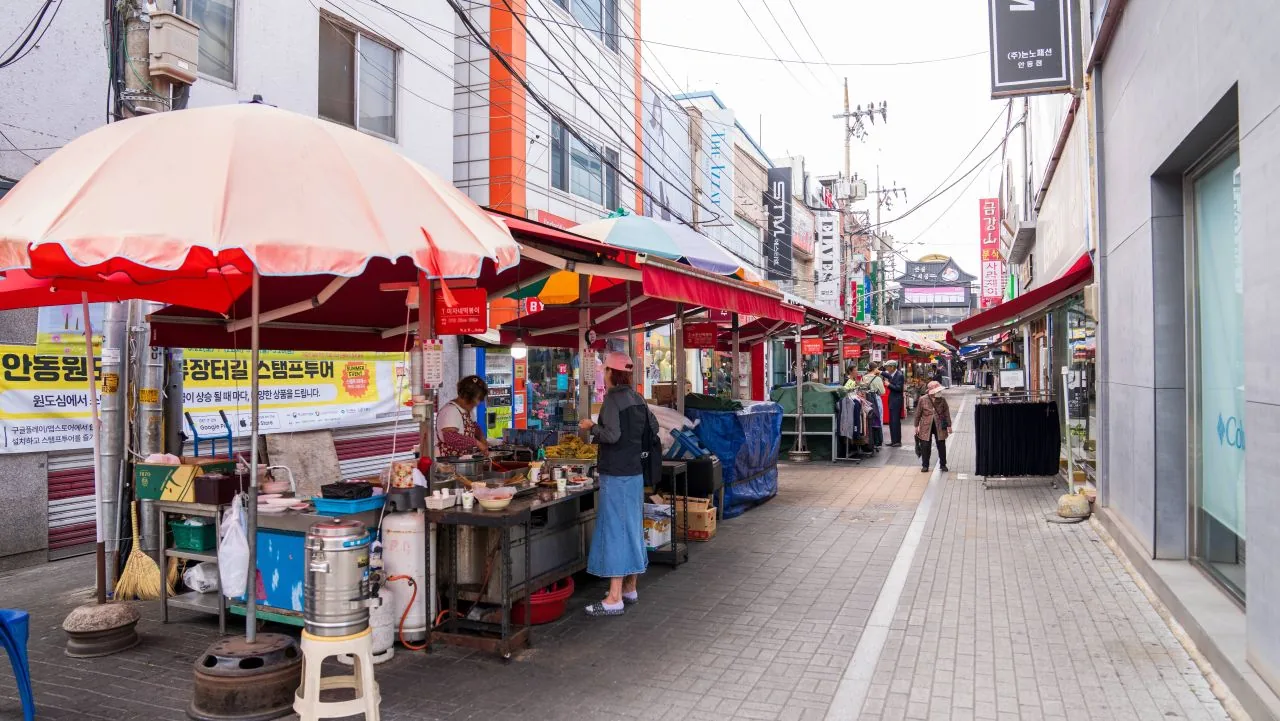
Food hopping means the same move applied to meals: visiting several restaurants or street stalls in one outing and ordering a signature dish at each, instead of committing to one full sit-down dinner. Cafe hopping is the dessert-and-drinks version, where you’re collecting rooms and one drink per stop rather than a run of savory bites. In practice Seoulites blur the two. A Seongsu afternoon might string together tteokbokki at a market stall, a soft-serve at a dessert specialist, and a theme cafe for the photo, all inside a few blocks. Both run on the same logic: breadth over depth, many small tastes instead of one long meal.
Seoul Cafe Hopping Guide: Where to Start
Start with one neighborhood, not a scattered list. Seongsu-dong is the design-forward pick: Visit Seoul calls it one of Korea’s most important handmade-shoe manufacturing districts, and its brick warehouses and former shoe workshops now hold cafes, galleries and brand pop-ups. Ikseon-dong offers hanok-courtyard cafes if you want the theme to be the building itself rather than a gimmick inside it, and the whole Ikseon-dong Hanok Village is only about 801 m of alleys, 141 m from Jongno 3-ga Station Exit 4. Hongdae and neighboring Yeonnam-dong are younger, cheaper, and denser with novelty concepts aimed at students and first-time visitors. Pick a base neighborhood, map three or four stops within a ten-minute walk, and resist the urge to cross the city between cafes, or you’ll spend the day on the subway instead of in a chair.
For a first route, Ikseon-dong is hard to beat. Come out of Jongno 3-ga Exit 4 and Seoul Coffee is about 150 m away, a hanok where the red bean butter rice-flour bread (₩5,000) comes out soft and salty-sweet. From there, walk over to Cafe Highwaist, where white walls meet hanok roofs, a teddy scone costs ₩5,300 and a carrot cake ₩8,000.
The theme cafes worth the queue in 2026
Concept cafes are the heart of the circuit. Onion Seongsu set the template: a converted 1970s factory, 132 m from Seongsu Station Exit 2, where you tear into a pandoro buried in powdered sugar among bare walls and old steel doors. Over in Yeonnam-dong, Overdeep goes full spectacle, with two floors and a rooftop of media art, jellyfish lighting, coral and shells, and a Wave Cream Latte whose blue foam sits on the cup like surf.
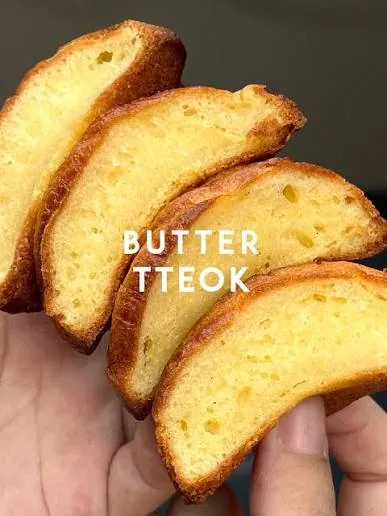
Animal cafes are the classic entry point, but the wild ones are on their way out. Since 14 December 2023, Korea’s Wildlife Protection and Management Act has banned displaying live wild animals anywhere other than a registered zoo or aquarium, so no new raccoon or meerkat cafe can open, and places that already had animals may keep only the ones they reported, until 13 December 2027. Cat and dog cafes fall outside that wildlife rule and remain the easy animal stop. Then there’s the pastry circuit: the glass cabinets of Seongsu and Yeonnam-dong are where you’ll find butter tteok, the crackly glutinous-rice cake riding the current dessert wave. None of these are about caffeine quality, and that’s the point: you’re paying for twenty minutes inside someone else’s concept.
Why theme cafes took over Seoul
The shift tracks with how people actually decide where to go: a photo-first culture where a cafe’s Instagram feed does more marketing than its menu ever could. Small commercial spaces in Seoul are also expensive and short-lived, which rewards owners who can build a striking one-off interior cheaply and pivot fast when a trend fades. Seongsu shows it best, and Visit Seoul’s own 2026 guide to the neighborhood describes a district where a newly opened concept store replaces yesterday’s pop-up. Cafes here behave less like restaurants and more like pop-up exhibitions that happen to serve espresso.
How to plan a cafe-hopping day without wasting it
Pick your stops by concept rather than by star rating, since ratings mostly reflect coffee quality, not the experience you’re actually chasing. Then check opening hours, because they vary more than you’d expect: Onion Seongsu opens at 08:00 on weekdays (09:00 on weekends), Seoul Coffee not until 11:00, and Overdeep closes every Monday. Go on a weekday morning if you can, since the famous Seongsu and Ikseon-dong spots draw their longest queues on Saturday afternoons. Bring a card, because plenty of cafes take orders at a self-order screen (here’s how a Korean kiosk works), and expect a one-drink-per-person rule almost everywhere. In July and August, make one stop a bingsu bowl split between friends. If you only have one afternoon, three stops is the honest limit; any more and you’ll spend more time walking than sitting.
Frequently Asked Questions
Q: What’s a good first cafe-hopping route in Seoul?
Ikseon-dong is the easiest first route. From Jongno 3-ga Station Exit 4 you’re about 150 m from Seoul Coffee’s hanok (red bean butter bread, ₩5,000), with Cafe Highwaist (carrot cake, ₩8,000) a short walk away in the same village. Start around 11:00, when both are open, add one more cafe that catches your eye, and you’ll have covered the whole village on foot.
Q: What does food hopping mean, and how is it different?
Food hopping is the same idea aimed at meals: hitting several restaurants or stalls in one outing for a signature dish at each, rather than one big sit-down dinner. Cafe hopping swaps the savory courses for drinks and dessert spaces. Same breadth-over-depth logic, different menu.
Q: Which Seoul neighborhood is best for theme cafe hopping?
Seongsu-dong is the pick for design-forward concept cafes in converted factories, Ikseon-dong for hanok cafes, and Hongdae with neighboring Yeonnam-dong for novelty concepts and cheaper spots.
Q: Do theme cafes in Seoul charge an entrance fee?
Most concept cafes don’t: you pay through your order, and a one-drink-per-person rule is the norm. Animal cafes are the exception, where an entry fee that bundles a drink is common, so check the posted price at the door before you sit down.
Q: Is one day enough to try Seoul’s theme cafes?
You can comfortably manage three to four cafes in an afternoon if you stay within one neighborhood; trying to cover Seongsu, Ikseon-dong, and Hongdae in the same day usually means more transit than cafe time.
Cafe hopping in Seoul rewards curiosity the same way bar hopping does anywhere else: you’re not looking for the best single spot, you’re collecting an afternoon’s worth of odd, specific rooms. Pick a neighborhood, leave room for one detour you didn’t plan, and let the coffee be beside the point.
Part of Korean Café & Dessert Culture