Types of Tteokbokki Explained: Which Style to Try First
On this page
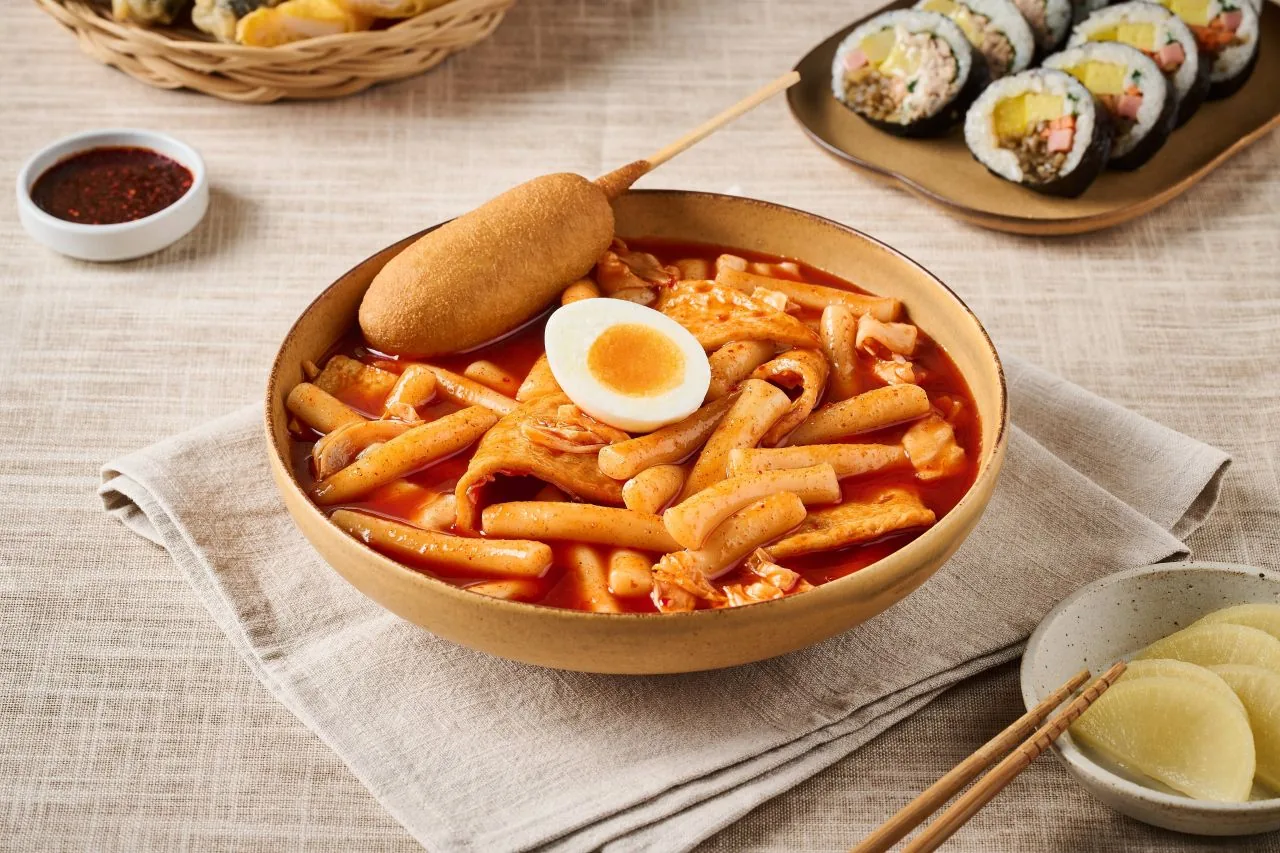
Types of tteokbokki fall into five main styles: the original spicy gochujang (Sindang-dong-style), gungjung (the mild, soy-based royal court original), rosé (the same gochujang base softened with cream, so milder than regular), cheese-topped (any base plus melted mozzarella), and rabokki (tteokbokki plus ramen noodles). If this is your first time, start with the classic gochujang version to learn the baseline, then move on to rosé or cheese once you know your spice tolerance. Gungjung actually predates the fiery red version most people picture, while rosé is the variant spreading fastest through overseas social feeds in 2026.
Quick answers
- The main types are: original Sindang-dong-style (spicy, gochujang), gungjung (mild, soy-based royal court original), rosé (creamy, milder), cheese-topped (any base plus melted mozzarella), and rabokki (tteokbokki plus ramen noodles).
- Gungjung tteokbokki came first historically. The fiery gochujang version traces back to a single Sindang-dong stall opened in 1953, and the alley around it only became famous in the second half of the 1970s.
- Rosé versus regular is the comparison most first-timers actually need: both use the same gochujang base, and cream or milk is the only thing standing between them. Rosé leads overseas SNS feeds as of 2026.
What Are the Main Types of Tteokbokki?
There are five styles you’ll realistically run into, and they don’t all taste (or look) like the same dish.
| Style | Sauce base | Spice level | Where you’ll find it | Price (as of 2026) |
|---|---|---|---|---|
| Original (Sindang-dong-style) | Gochujang + gochugaru | Spicy | Street carts, Sindang-dong tteokbokki town | ~₩3,000–4,000/serving |
| Gungjung (royal court) | Soy sauce + sesame oil | Not spicy | Traditional restaurants, home cooking | ~₩8,000–12,000 as a set |
| Rosé | Gochujang + cream or milk | Mild-medium | Franchise chains, cafes, delivery apps | ~₩4,000–6,000/serving |
| Cheese-topped | Any base + melted mozzarella | Depends on base | Street stalls, tteokbokki cafes | +₩1,000–2,000 add-on |
| Rabokki | Gochujang + ramen noodles | Spicy | Convenience store hot bars, late-night stalls | ~₩4,000–5,000/serving |
The soy-based version is the one with the deeper paper trail. The Academy of Korean Studies’ Encyclopedia of Korean Culture entry on tteokbokki describes the dish as garae-tteok cut into short lengths and stir-fried with seasoned beef, shiitake, onion and carrot, with no chili paste in the recipe at all.
Rosé Tteokbokki vs Regular: Where the Spice Actually Differs
Rosé and regular tteokbokki start from the same base, which is exactly why the comparison confuses people. Both are built on gochujang, so the question is never whether there is chili in it, only what joins it in the pan. The original Sindang-dong-style sits at the spicy end, built on straight gochujang and gochugaru with nowhere to hide, so the heat lands immediately and keeps stacking as you eat. Rosé softens that same base with cream or milk, which is exactly why it reads as more approachable to first-timers; the sauce still carries chili flavor, just rounded off instead of sharp, and it eats heavier and slightly sweeter, closer to a rosé pasta sauce than a street-cart chili sauce. As a practical test: if a mild curry is comfortable for you, rosé will be too, while regular is the one that sends first-timers looking for water.
The remaining styles sit outside that pair. Gungjung tteokbokki carries almost no heat at all, leaning savory and slightly sweet, closer to a soy-glazed stir-fry than a chili dish. Cheese-topped versions don’t lower the heat so much as mute it, since a layer of melted mozzarella slows down how fast the spice hits your tongue.
Where and How Each Style Is Actually Eaten
Street-cart tteokbokki is grab-and-go: a paper cup, a wooden skewer, eaten standing at the cart or walking to the next stop. The densest concentration of it is Sindang-dong Tteokbokki Town in Jung-gu, which the Seoul city government’s official travel guide traces back to a shop opened by Ma Bok-lim in 1953, with the surrounding alley only drawing crowds from the second half of the 1970s. Gungjung tteokbokki rarely shows up on the street at all. You’ll meet it at traditional restaurants, on holiday tables, or in home cooking, usually plated as a side rather than a main. Rosé and cheese versions have migrated indoors into dedicated tteokbokki cafes and franchise chains, where you sit down, order from a menu or a touchscreen, and often add extras like fish cakes or boiled eggs; if the screen is the intimidating part, here’s how to order at a Korean restaurant kiosk. Rabokki leans convenience-store and late-night: it’s the version people build at home or grab from a hot bar when ramen alone won’t cut it.
Texture and Tteok Shape: What Actually Changes
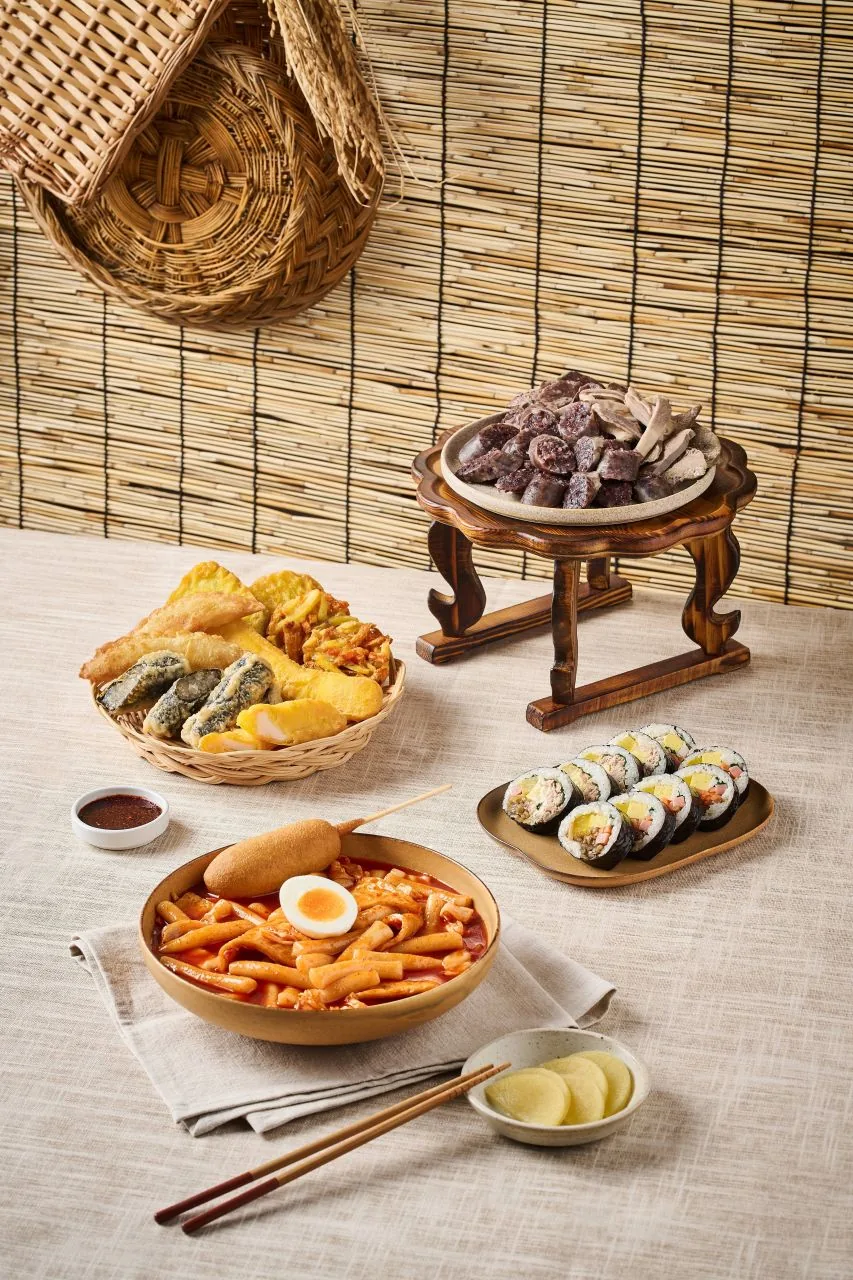 Photo © Korea Tourism Organization
The rice cake itself isn’t identical across styles. Sindang-dong-style and rosé tteokbokki typically use thick, chewy cylindrical garae-tteok that hold their bite even after simmering in sauce. Gungjung tteokbokki often uses thinner, slightly flatter rice cake pieces stir-fried quickly rather than simmered, so the texture stays firmer and less saucy. Once cheese or a rabokki-style broth gets involved, the tteok softens further from sitting in extra liquid, which is worth knowing if you prefer your rice cakes with real chew instead of a mushier bite. Tteok is a wide category, so none of this carries over to a baked style like Korean butter tteok, which is built around a crisp shell rather than a simmered, sauce-soaked bite.
Which Tteokbokki Style Fits You?
Order the original gochujang version from a cart if you want the real street-food baseline — it’s what defines the dish. Spice-averse eaters should reach for gungjung tteokbokki instead, since it delivers the flavor concept without the burn, and cheese-topped versions make a solid middle ground. Chasing what’s trending online right now? Rosé is the one to seek out. Feeding a crowd or just want the most food for your money, rabokki stretches a tteokbokki base into a full meal. Whichever you pick, order gimbap alongside it the way Koreans do, since plain rice rolls are the standard cooling counterweight to a spicy pan.
Frequently Asked Questions
Q: Rosé tteokbokki vs regular tteokbokki: which one should a first-timer order?
Order regular first if you want to understand what the dish is supposed to taste like, because it is the baseline every other style gets measured against. Order rosé first if you already know that heavy chili heat ruins a meal for you. Since the bases are identical, tasting regular first and rosé second tells you far more about the dish than doing it the other way round.
Q: What is the most popular type of tteokbokki?
The original Sindang-dong-style gochujang version is still the most common and the one most Koreans mean by default when they say “tteokbokki.” Rosé is the variant that turns up most often in Korean food content aimed at overseas audiences, but inside Korea the gochujang original remains the default order.
Q: Is rosé tteokbokki mild enough for someone who hates chili?
Not entirely. It still starts from gochujang, so there is real chili in the sauce. Cream or milk pulls the peak down a long way, which is enough for most people who find the classic version too hot, but anyone who avoids chili altogether should order gungjung instead.
Q: What’s the difference between tteokbokki and rabokki?
Rabokki is tteokbokki with ramen noodles added into the same pot, so you get chewy rice cakes and noodles sharing the same spicy sauce. It’s essentially tteokbokki turned into a heartier, noodle-forward meal.
Q: Which tteokbokki is the least spicy?
Gungjung (royal court) tteokbokki is the mildest by far, since it’s built on soy sauce and sesame oil rather than gochujang.
Whichever style you start with, tteokbokki is meant to be eaten hot, fast, and usually standing up, so don’t overthink the first bite.
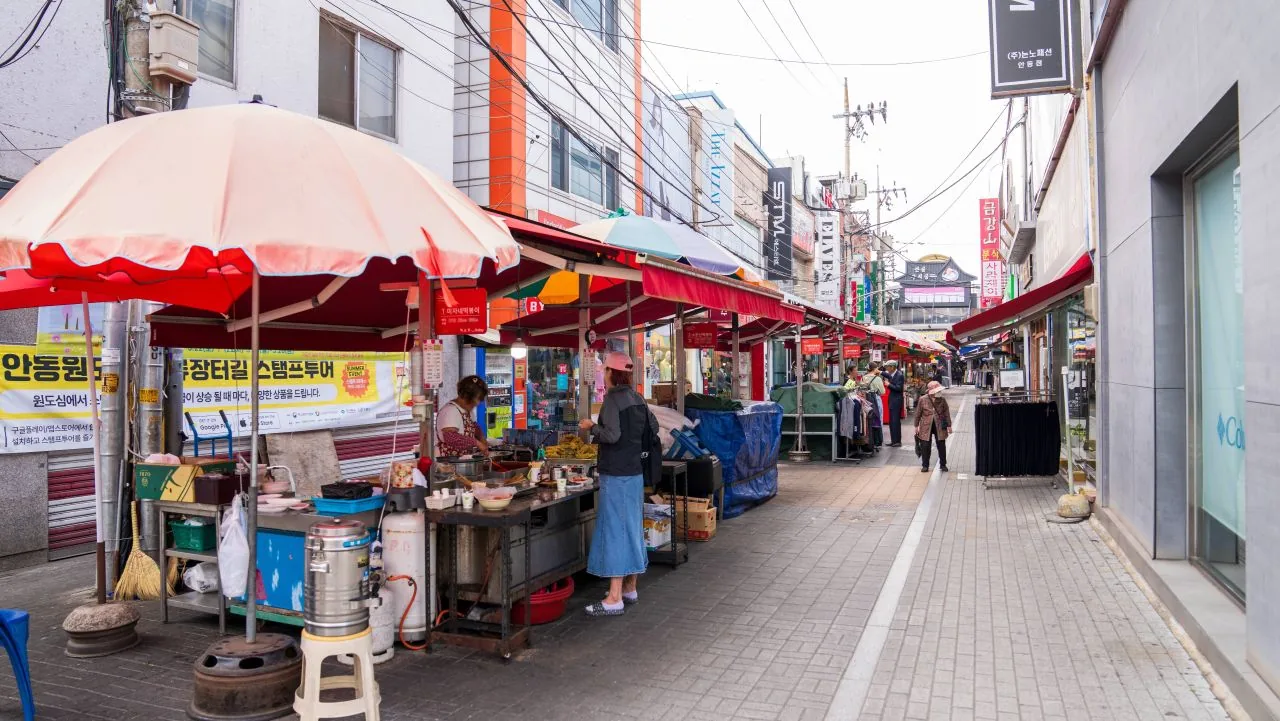 Photo © Korea Tourism Organization
Part of Korean Street Food