Jeonju Food Guide: What to Eat in Korea's UNESCO Food City
On this page
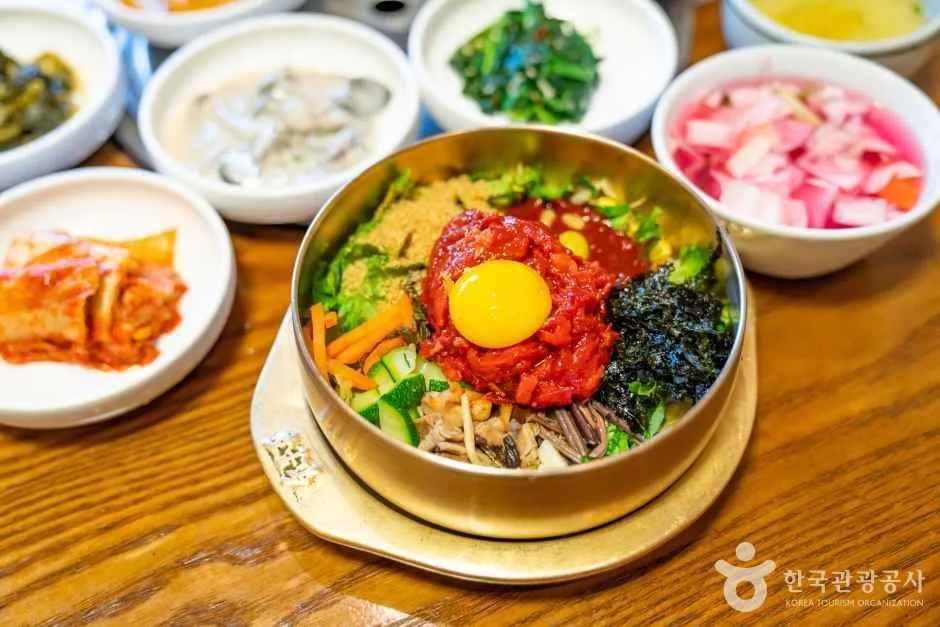
The dish to anchor a Jeonju food trip is dolsot bibimbap, served in a sizzling stone bowl with raw marinated beef and a soft egg, and the versions locals rate highest sit just outside the Hanok Village near the old Gaeksa site. Jeonju invented bibimbap and has held a UNESCO City of Gastronomy title since 2012, the credential that still separates it from every other Korean food city. South Korea’s place on National Geographic’s 2026 Best of the World list went to a long-distance hiking route rather than to any dish, but the attention it drew is pushing more travelers inland, and Jeonju is where the food-minded ones stop. This guide skips the postcard shots and ranks the six eats worth the trip, in the order a local would work through them.
Quick answers
- Jeonju’s essential dish is dolsot bibimbap, served in a hot stone bowl with raw marinated beef and a soft egg, and a bowl runs roughly ₩15,000–18,000 at the old-school houses near the former Gaeksa guesthouse site.
- Nambu Market’s night market is the best evening stop, but it opens Friday and Saturday only, 17:00 to 23:00, so plan which two nights you are in town around it.
- Jeonju has held UNESCO City of Gastronomy status since 2012, awarded for its bibimbap and fermentation traditions rather than for any single restaurant.
1. Bibimbap: Why Any Jeonju Food Guide Starts Here
Jeonju bibimbap is the dish the whole cuisine gets judged against, and the difference from the Seoul version is real: raw marinated beef instead of cooked, a rich beef broth cooked into the rice itself, and a spoon of savory bean paste rounding out the gochujang. Order it dolsot-style, in a sizzling stone bowl, so the rice at the bottom crisps into a crust you scrape up last. At 2026 prices, a bowl at one of the old-school houses near the former Gaeksa guesthouse runs roughly ₩15,000–18,000, with the yukhoe version built on raw beef sitting at the top of that range, and regulars treat the few thousand won for the stone bowl as the easiest upgrade on the menu. These houses aren’t inside Hanok Village itself. They sit a short walk north through Pungnammun Gate onto Gaeksa-gil, an easy add-on to the same afternoon rather than a separate outing.
2. Nambu Market’s Night Market: Where Dinner Becomes a Crawl
Nambu Market is where Jeonju actually eats dinner, and here the timing matters more than the address. The night market sets up along the market’s arcade on Fridays and Saturdays only, 17:00 to 23:00, and the crowd skews local rather than tourist. Don’t confuse it with the Youth Mall, the young-merchant arcade of cafes and small kitchens on the market’s second floor, which opens daily from late morning and is a separate stop with a separate mood. Mayak gimbap, small addictive rolls holding nothing but sesame oil, carrot, and a mustard-soy dip, started here and is worth two orders before you’ve decided you’re full. If you are still working out how gimbap differs from sushi, this is the stall that settles it. Pair it with a bowl of moju, Jeonju’s sweeter, lower-proof spin on rice wine.
3. Makgeolli Alley: The Free Banchan Trick
In the makgeolli alley around Samcheon-dong, roughly 20 houses packed into a 200-meter stretch, you don’t order side dishes at all. You order a kettle of rice wine and the spread arrives with it, and the city’s own tourism office counts more than 10 dishes per house, with new plates appearing each time another kettle goes out. Budget closer to ₩38,000–45,000 for the standard two-person table than to the bargain older guidebooks promise, and ₩65,000–75,000 for the larger family spreads. What surprises most first-timers is how fast a “quick drink” turns into a full dinner of grilled fish, pancakes, and braised pork.
4. Kongnamul Gukbap: The Breakfast Institution
Kongnamul gukbap, a soybean-sprout soup poured over rice, is Jeonju’s answer to the morning-after meal, and locals swear the city’s version has a deeper broth than the one served elsewhere in Korea. Many spots serve it tableside in a still-boiling stone pot, with a raw egg cracked in at the last second so it half-cooks in the residual heat. Shops built around this one dish tend to open before seven in the morning and close once the pot runs dry, so arrive hungry and early.
5. Hanok Village Street Snacks
Jeonju Hanok Village earns its postcard reputation, but the food worth queuing for is specific: PNB Bakery’s choco pie draws a line that wraps the block, though regulars know to walk two streets over to the original storefront instead of the flagship. Hodugwaja, walnut-shaped cakes filled with sweet paste and a piece of walnut, are the other stop, sold fresh and hot from street carts throughout the village.
6. Omija-cha and the Traditional Tea Houses
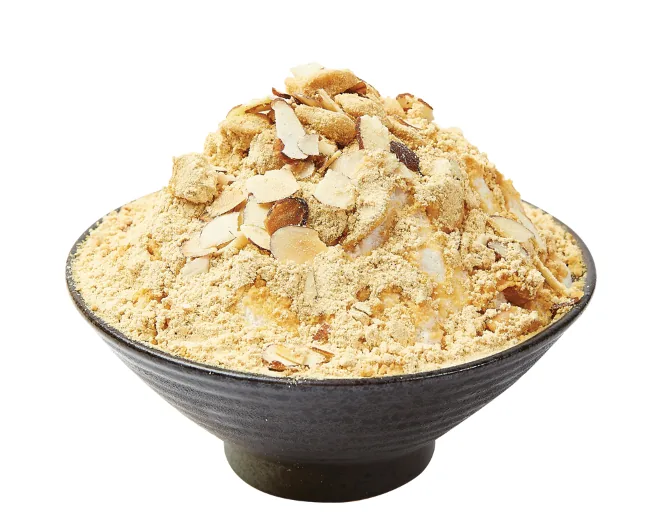
For a slower counter-program to the street snacks, the hanok village’s traditional tea houses pour omija-cha, a tart five-flavor berry tea served hot or over ice depending on the season. Come in midsummer and the same instinct sends most people toward a bowl of bingsu instead. Either way it’s the stop you build in after the market crawl and the bibimbap, not instead of them, a quiet finish to a day spent mostly standing in line.
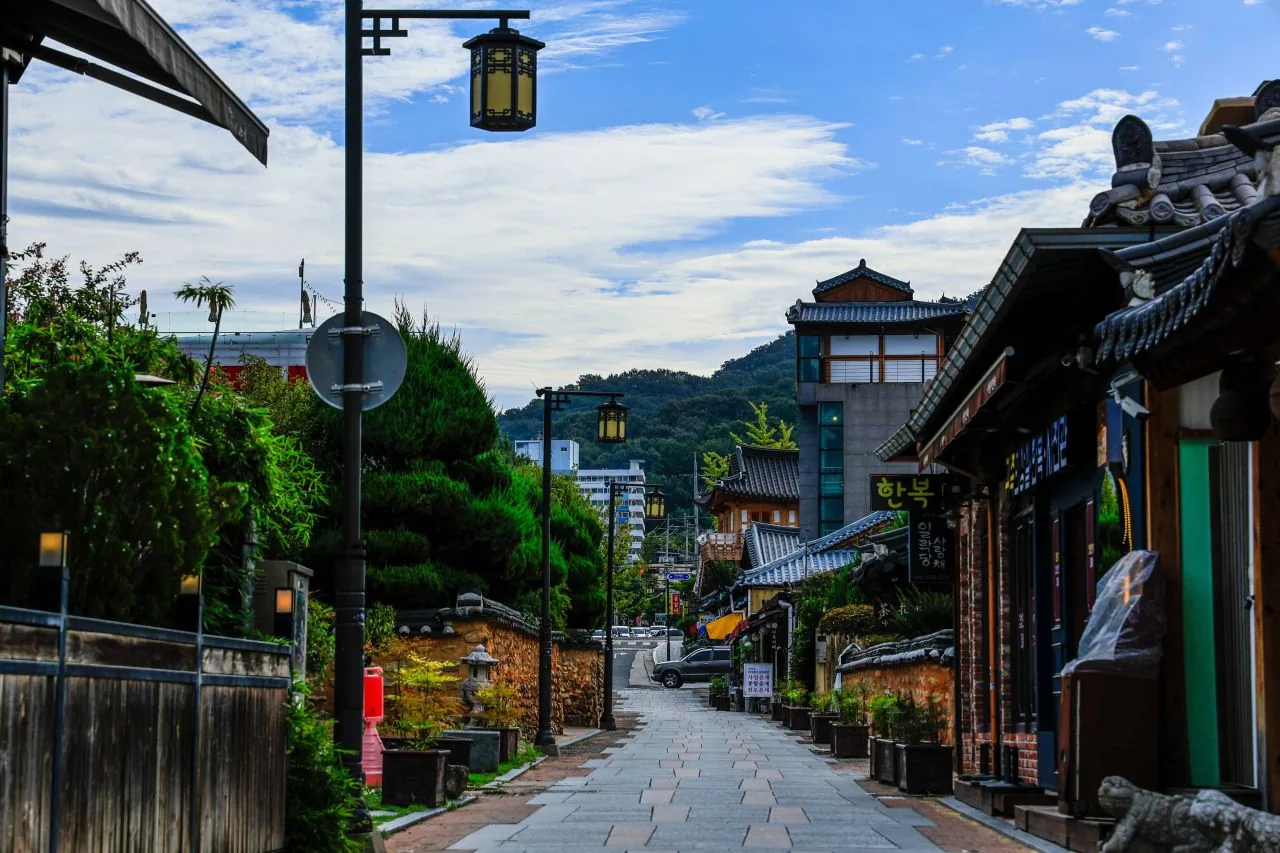 Photo © Korea Tourism Organization
Frequently Asked Questions
Q: What is the most famous food in Jeonju?
Bibimbap, specifically the dolsot version with raw beef, is Jeonju’s signature dish and the single reason most food-minded travelers put the city on a Korea itinerary at all.
Q: How many days do you need to eat your way through Jeonju?
Two days and one night clears this whole list comfortably. The constraint is the calendar rather than the distance, because everything here sits within a couple of square kilometers: the night market only opens Friday and Saturday evening, and the kongnamul gukbap shops close once the morning pot empties. Arriving Friday afternoon and leaving Saturday evening catches both.
Q: Is Jeonju worth a day trip from Seoul?
It works as a day trip, since the KTX from Seoul reaches Jeonju in well under two hours, but an overnight stay is what buys you the Friday or Saturday night market and a proper kongnamul gukbap breakfast the next morning. A same-day trip usually forces you to drop one of the two.
Q: Why is Jeonju called a UNESCO City of Gastronomy?
UNESCO admitted Jeonju to its Creative Cities network as a City of Gastronomy in 2012, citing the city’s bibimbap and fermentation traditions along with the events built around them, including the Jeonju Bibimbap Festival and the International Fermented Food Expo.
Q: Is there good dolsot bibimbap inside Jeonju Hanok Village?
The village’s own restaurants serve bibimbap, but the dolsot houses locals rate highest sit just outside it, on Gaeksa-gil past Pungnammun Gate. It is an easy walk rather than a separate trip, and worth the detour before you settle for a village-front spot.
Start with the bibimbap, dolsot-style, at one of the old houses near Gaeksa, and let the rest of this list follow from there.
Part of Regional & Seasonal Korean Food