Why Do Koreans Bow to Elders? The Confucian Legacy Explained
On this page
Koreans bow to elders because the Joseon dynasty (1392–1897) made Neo-Confucianism its state creed, and one of that creed’s five core relationships puts the elder before the younger. The gesture you see today, from a quick 15-degree bow in an office corridor to the kneeling bow grandchildren make on Lunar New Year’s Day, is six centuries of Confucian ranking compressed into a single movement. Every bow silently answers one question: who outranks whom here? Learn to read that question and the choreography makes sense fast.
Quick answers
- Koreans bow to elders because the Joseon dynasty made Neo-Confucianism the state creed from its founding in 1392, and the habit outlasted the dynasty itself.
- Korean workplace etiquette teaches three standing bows: about 15 degrees for a passing colleague, 30 degrees for introductions and guests, and 45 degrees or more for thanks, apologies and important clients.
- The kneeling sebae belongs to Lunar New Year’s Day only, when younger family members bow to grandparents and parents first and receive good wishes and pocket money (sebaetdon) in return.
Why Do Koreans Bow to Elders? The Confucian Roots
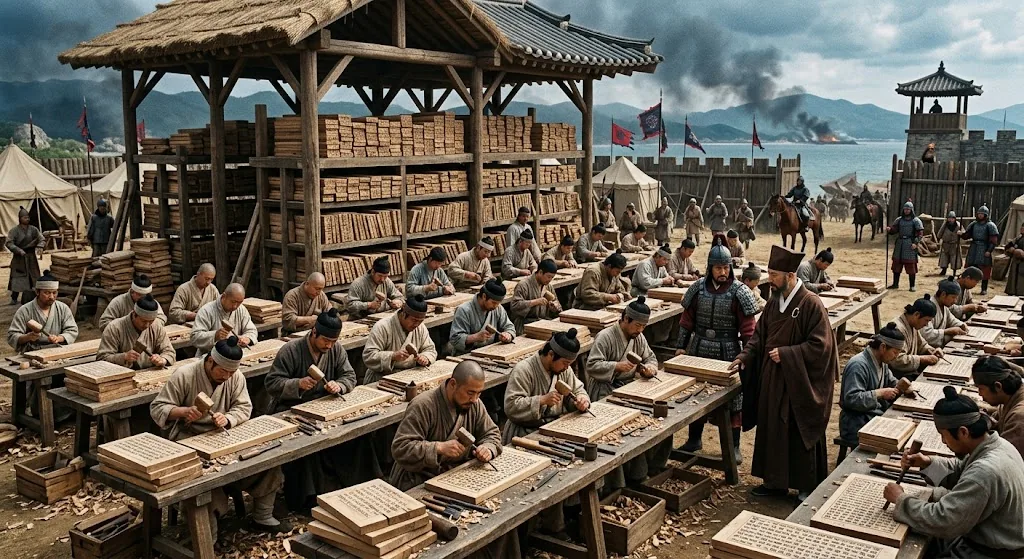
Koreans bow to elders because Joseon’s founders pushed Buddhism aside and made Neo-Confucianism, later refined by scholars such as Yi Hwang and Yi I, the official philosophy of the state, and that philosophy ranked every person by relationship. Its five core relationships, set out in the Encyclopedia of Korean Culture’s entry on the Three Bonds and Five Relationships, include jangyu-yuseo (장유유서): between elder and younger, there is order. The state did not leave this to private conscience. In 1431, scholars at King Sejong’s Hall of Worthies compiled the Samgang haengsildo, an illustrated book of 105 exemplary loyal subjects, filial children and virtuous women, and an expanded Oryun haengsildo followed in 1797. Bowing became the physical shorthand for that order: your posture announced, instantly and wordlessly, who outranked whom in the room. China and Japan absorbed versions of the same framework, but Joseon wrote it into law, court ritual and exam curricula for five centuries, which is why the custom still feels so codified in Korea today.
How Deep Should You Bow? The Etiquette Foreigners Get Wrong
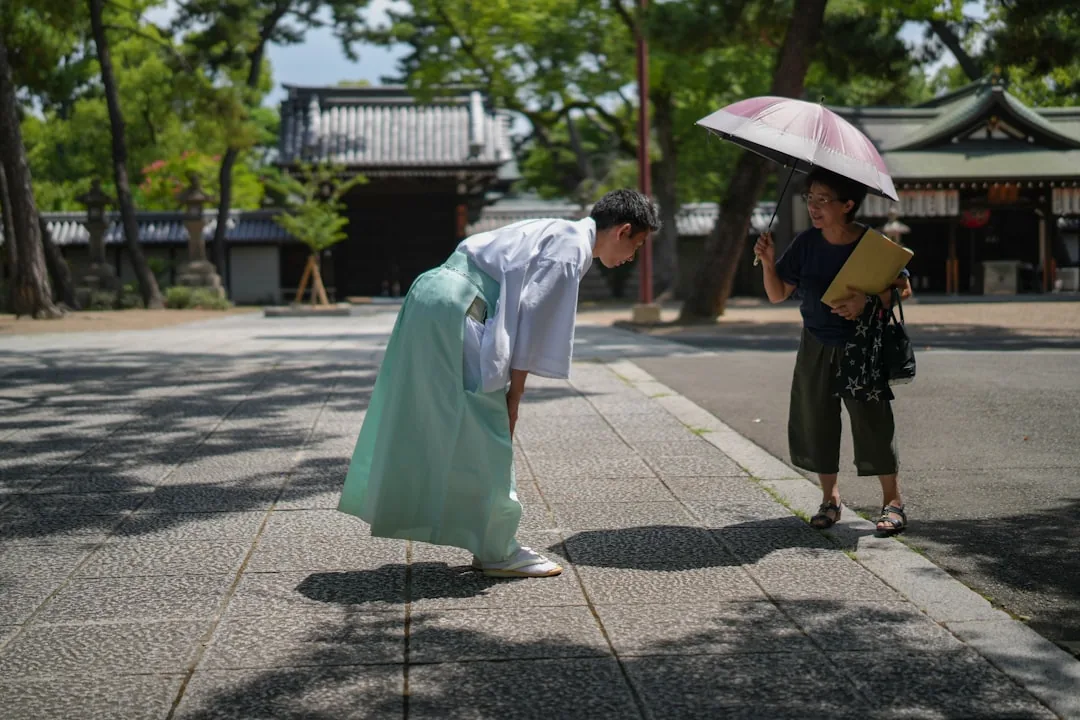
Bow about 15 degrees for a casual greeting, 30 degrees for an introduction and 45 degrees or more when the moment carries weight; mixing up those levels is the most common mistake visitors make. A workplace-etiquette lesson from Korea’s National Institute of Special Education spells out the grades. A light 15-degree bow covers passing a colleague in the hallway or greeting a visitor you don’t know. For introductions and welcoming guests, 30 degrees is the everyday standard, so a first meeting with a Korean client should come with one. Save 45 degrees or more for seeing an important client off, a sincere thank-you or an apology; in a crowded lift, a slight dip of the head with eye contact (mongnye) will do. Depth is the message: as the Encyclopedia of Korean Culture’s entry on bowing puts it, how far you bend shows how much respect you mean.
At home, the bows move to the floor. Korean tradition splits bows into standing and sitting forms, and the sitting family has three grades: the keunjeol (큰절), a full kneeling bow kept for solemn rites such as weddings, funerals and ancestral ceremonies; the pyeongjeol, a sitting bow for greeting elders on ordinary occasions; and the abbreviated banjeol. The floor bow foreigners hear about most is the sebae (세배), the first greeting of the year, made on Lunar New Year’s Day after the morning ancestral rite. According to the encyclopedia’s sebae entry, you bow to grandparents and parents first, then to older siblings, and the elders answer with a line of good wishes called deokdam; children also receive sebaetdon (세뱃돈), a gift of pocket money. One common mix-up is worth correcting: sebae is not a Chuseok custom. On Chuseok, families lay out food made from the new harvest and bow to their ancestors in a memorial rite, and the pocket money called sebaetdon stays a New Year gift.
How Confucian Hierarchy Still Shapes Korean Life Today
Walk into almost any Korean office in 2026 and you’ll still feel Joseon-era hierarchy at work, even if nobody calls it that. Age and rank determine who pours the soju first (always with two hands, and never for yourself), who speaks first in a meeting, and which honorific ending you use mid-sentence. Age even decides what friends call each other, which is why a younger man addresses an older male friend as hyung rather than by his name. What surprises most first-timers isn’t the bowing itself but how far the same logic reaches: subway seat etiquette, the order people step into a lift, even who picks up the check at dinner. The system has a darker edge, and Koreans have a word for superiors who abuse their rank: gapjil. Underneath it all sits a 500-year-old way of making social rank instantly legible, and the ancestral rites (jesa) that Joseon scholars formalized are still held in many households, where the formal keunjeol is made to the ancestors rather than to the living.
Frequently Asked Questions
Q: Why do Koreans bow instead of shaking hands?
Bowing predates the handshake in Korea by centuries and remains the default gesture of respect rooted in Confucian etiquette. In business, a handshake is usually added on top of a light bow rather than replacing it.
Q: Is it rude not to bow back to an elder in Korea?
Yes. Failing to return even a small nod from someone older is generally read as a deliberate snub, since Confucian etiquette treats acknowledging rank as a baseline social obligation, not an optional courtesy.
Q: Did bowing exist in Korea before the Joseon dynasty?
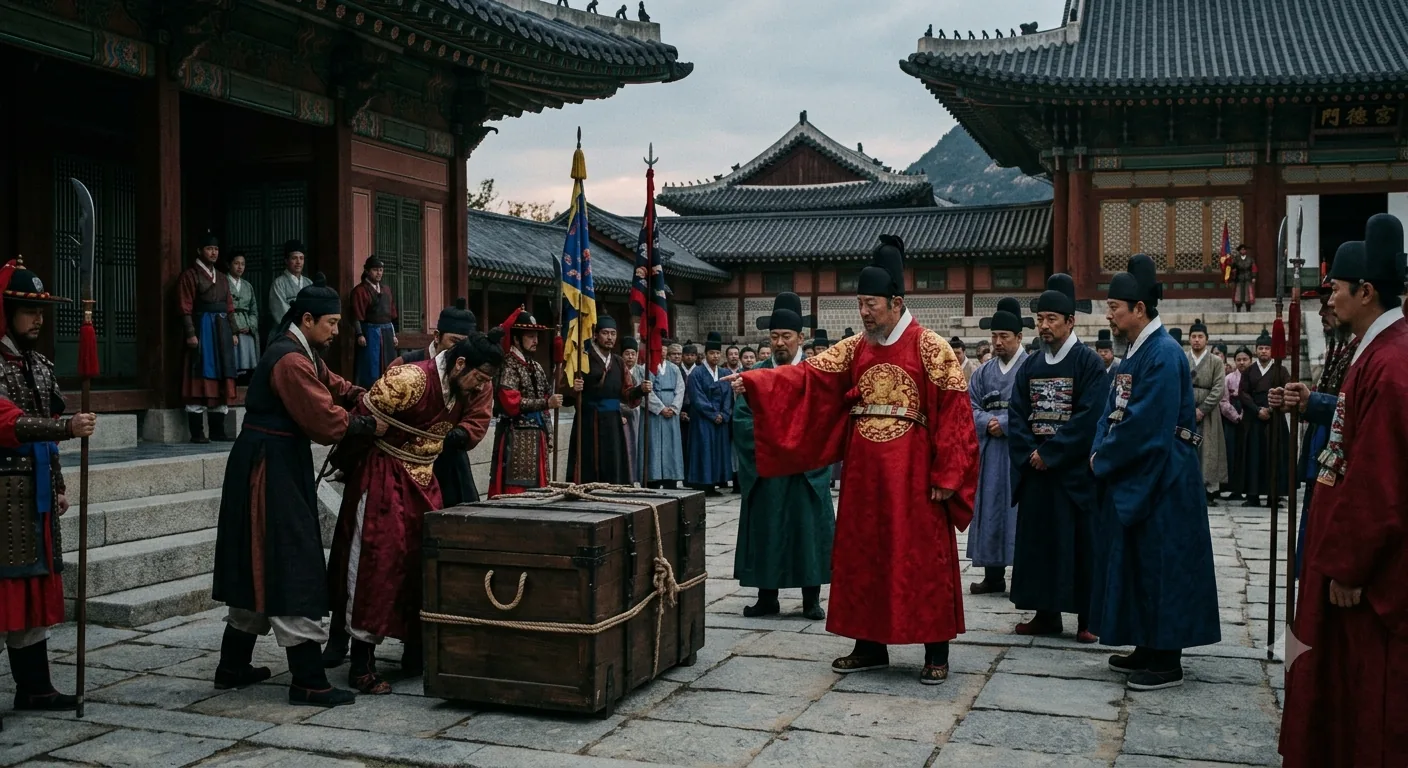
Yes. Chinese chronicles of ancient Gojoseon already record its king, Ugeo, bowing his head to the ground before a Han envoy. What Joseon added after 1392 was the rulebook: Zhu Xi’s Family Rituals, a Confucian manual that explains how to bow, became central to everyday etiquette.
Q: How is a Korean bow different from a Japanese bow?
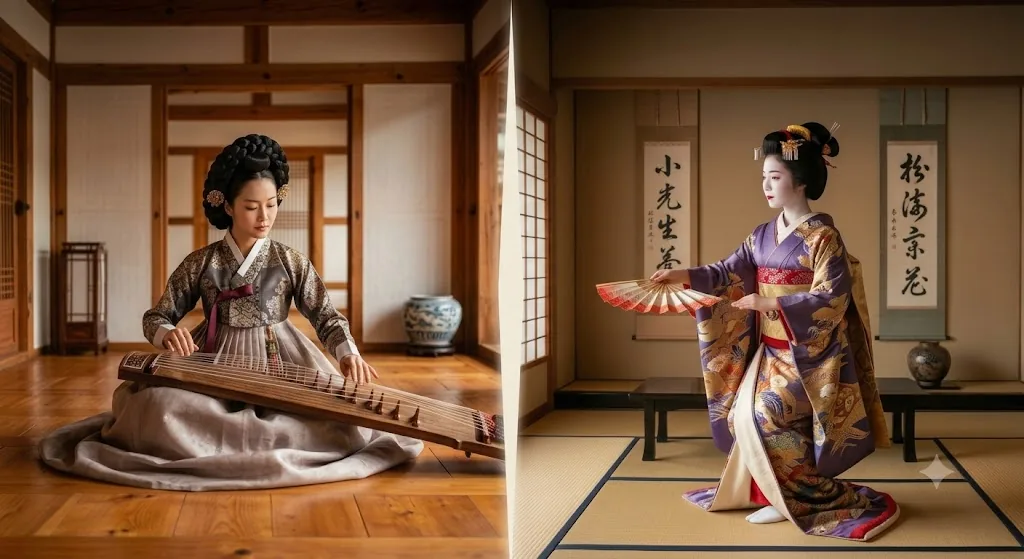
Both draw on the East Asian ritual tradition that spread from China, and in both countries a deeper standing bow means more respect, so the office angles will feel familiar to anyone used to Japan. The part visitors rarely expect is the Korean family layer: kneeling floor bows such as the sebae on Lunar New Year’s Day and the keunjeol at weddings, funerals and ancestral rites.
Once you see a Korean bow as a Confucian hierarchy chart rendered in body language, most of the confusion disappears. You just have to watch who bows first, and how far.