Korean Skin Type Words Meaning: Decode Any Label
On this page
- Korean Skin Type Words Meaning: The Four You Actually Need
- Before You Read: Two Helper Words on Every Label
- Step 1: Find the Skin-Type Line on the Label
- Step 2: Match the Word to Your Own Skin
- Step 3: Spot the Sensitive-Skin Flag (민감성)
- Common Mistakes When Reading Korean Skincare Labels
- Frequently Asked Questions
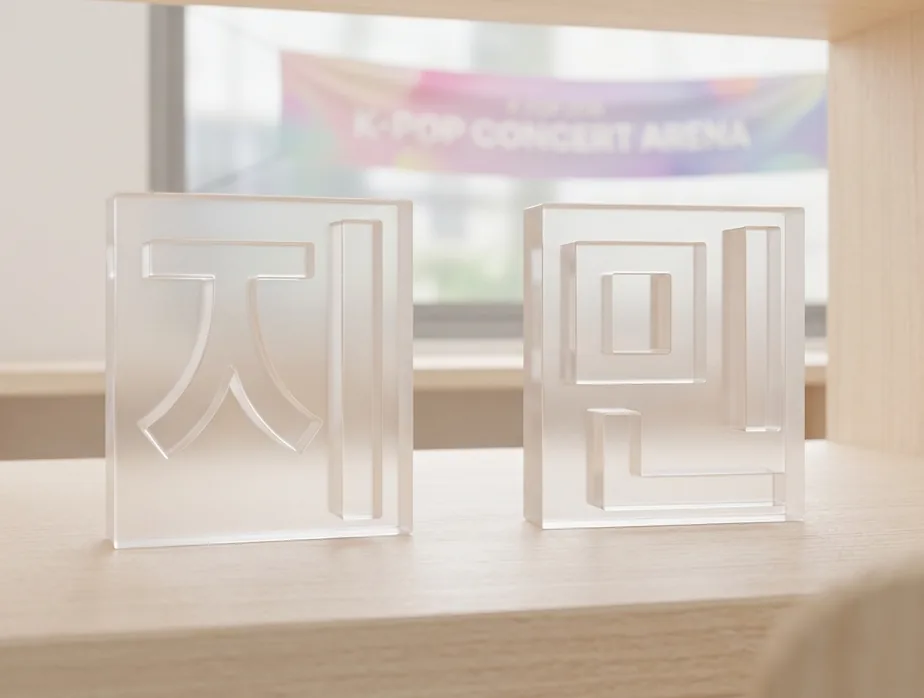
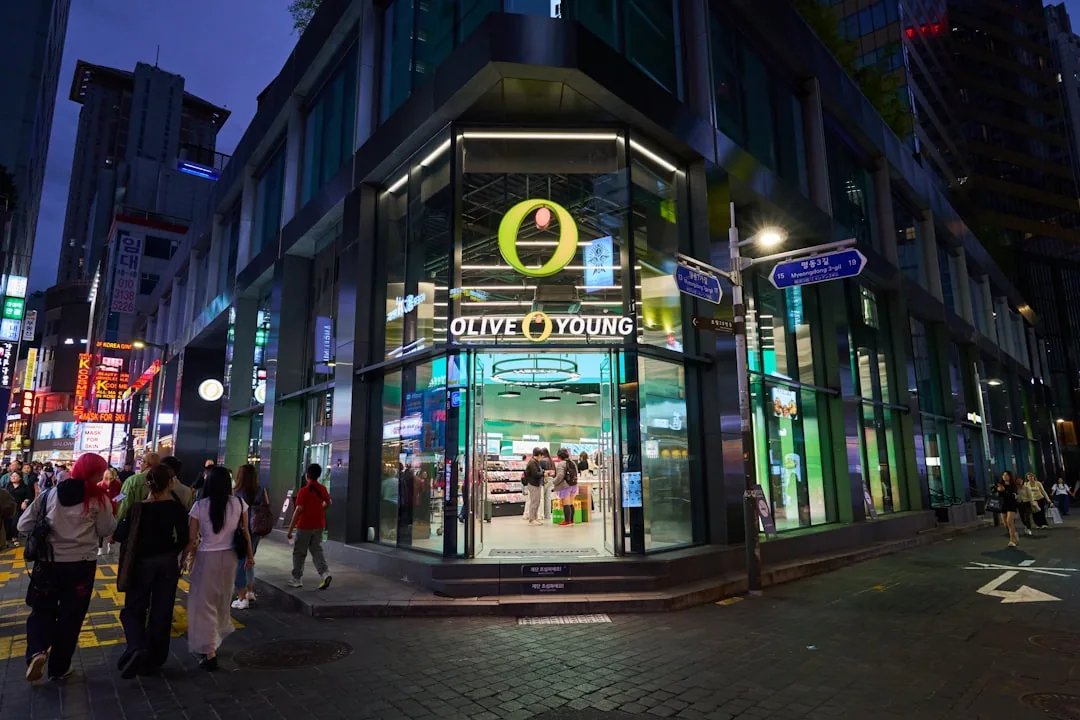
Two nearly identical white tubes sit side by side on the Olive Young shelf. Same brand, same price. The only thing telling them apart is a single Korean word printed near the bottom: 지성 or 건성. Learn a handful of core Korean skin type words and that wall of Hangul turns into a shopping cheat sheet. There are really only four you need, 지성 (oily), 건성 (dry), 복합성 (combination) and 민감성 (sensitive), plus a few bonus terms, and once you can read them you’ll grab the right cleanser, toner, or moisturizer in seconds instead of holding your phone up to translate every box. Let’s decode them one at a time, no pressure.
Quick answers
- 지성 (jiseong) means oily skin and 건성 (geonseong) means dry skin, the pair you most need to tell apart because they look and sound so alike.
- 복합성 (bokhapseong) is combination skin (oily T-zone, dry cheeks), and 민감성 (mingamseong) marks a product built for sensitive skin.
- All 4 words end in 성 (seong, “-type”), and on a label they usually sit before 피부용 (pibuyong, “for skin”), so 지성 피부용 reads “for oily skin.”
Korean Skin Type Words Meaning: The Four You Actually Need
The four core words are 지성 (oily), 건성 (dry), 복합성 (combination) and 민감성 (sensitive), and the table shows how to say each one plus the hanja (Chinese character) root that gives it its meaning.
| Korean | Hanja | Romanization | Sounds like | Meaning |
|---|---|---|---|---|
| 지성 | 脂性 | jiseong | jee-suhng | oily skin |
| 건성 | 乾性 | geonseong | guhn-suhng | dry skin |
| 복합성 | 複合性 | bokhapseong | boh-kap-ssuhng | combination skin |
| 민감성 | 敏感性 | mingamseong | min-gam-suhng | sensitive skin |
The pattern is easier than it looks, because every one of these ends in 성 (seong, 性), the suffix that means “-type” or “nature.” So you’re really only learning the first part each time. 지 is 脂, the character for fat or grease, the same one hiding in 피지 (piji), the Korean word for sebum, which makes 지성 literally “oily-type.” 건 (乾) means “dry.” 복합 (複合) means “combined,” which is exactly what combination skin is: an oily forehead and nose with drier cheeks. And 민감 (敏感) opens 민감성 with “sensitive.” Say each one twice and you’ll notice the rhythm is nearly identical, with only the front syllables changing.
One word bends the rhythm a little. 복합성 is spelled bokhapseong, but the dictionary pronunciation is 보캅썽, roughly boh-kap-ssuhng: the ㄱ at the end of 복 runs into the ㅎ and fuses into a puffy ㅋ, and the ㅂ at the end of 합 hardens the 성 after it. Don’t worry if that sounds like a lot. Both habits show up all over Korean, and our guide to reading Korean words faster walks through them one at a time.
Before You Read: Two Helper Words on Every Label
Two tiny words do most of the work around the skin-type term, so learn them next. The first is 피부 (pibu, pee-boo), which simply means “skin.” The second is the suffix 용 (yong), which means “for use with.” Stack them and a label practically reads itself: 지성 피부용 is “oily + skin + for,” or “for oily skin.” You’ll also see 민감 피부 without the 용, and phrases like 모든 피부 (modeun pibu), “all skin types,” on gentle products meant for everyone. New to sounding out Hangul at all? Our guide to reading K-pop idol names in Hangul is a gentle place to build that first skill before you tackle a shelf.
Step 1: Find the Skin-Type Line on the Label
Scan the front and the top of the ingredient panel for a short phrase ending in 피부 or 피부용. Korean packaging usually states the target skin type in one compact line rather than burying it in a paragraph, so it jumps out once you know the shape. When two type words share that line, as in 지성·복합성, the middle dot simply means “and”: the formula is aimed at both.
Step 2: Match the Word to Your Own Skin
Now line the word up with your skin. A face that gets shiny by midday wants 지성. If it feels tight and flaky instead, look for 건성. Combination skin (a shiny T-zone over dry cheeks) is 복합성, and it’s the one first-timers tend to misread as plain oily. 우리말샘, the open dictionary run by the National Institute of Korean Language, pins it down more precisely than most label translations: 복합성 피부 is skin that shows two or more skin characteristics because its sebum output is irregular. Some brands print 혼합성 (honhapseong, “mixed-type”) instead, which describes the same mix of oily and dry areas.
Two more labels matter if your skin runs to extremes. Very dry skin gets intensity prefixes: 극건성 (geukgeonseong, “extremely dry”) and 악건성 (akgeonseong, literally “bad-dry”), which the dictionary defines as skin so dry it flakes or turns rough. The same 극 works on the oily side, too: 극지성 is extremely oily skin. And if your face is shiny on the surface yet tight after washing, the word is 수부지 (subuji), a clipped form of 수분 부족형 지성, “moisture-deficient oily,” which Korean newspapers were already printing by 2017.
Getting the term right matters most for cleansers and moisturizers. Toners and essences are more forgiving, so don’t stress if you can only find a close match.
Step 3: Spot the Sensitive-Skin Flag (민감성)
If your skin stings or reddens easily, 민감성 is the word to hunt for. The dictionary definition doubles as a quick self-test: 민감성 피부 is skin that reacts fast when its environment changes, with redness, itching or rashes. If a change of season or a new product sets your face off, this is your word. It often travels with a companion phrase, 저자극 (jeojageuk, “low-irritation”), and sometimes 무향 (muhyang, “fragrance-free”). A box that carries 민감성 피부 plus 저자극 is signalling, as clearly as Korean labels get, that the formula is meant to be gentle. Regulars will tell you these two words together are the quickest way to filter a crowded shelf down to the gentle options.
Common Mistakes When Reading Korean Skincare Labels
The trap that catches almost everyone is 지성 versus 건성. They rhyme, they’re printed in the same tiny font, and a single syllable is the whole difference between oil control and deep hydration, so a rushed glance can hand you the opposite of what your skin wants. Slow down for that first syllable and you’ll be fine.
The other slip is treating 트러블 (teureobeul, from English “trouble”) as a skin type. It’s the Konglish word for acne-prone or breakout-prone skin, close to the native 여드름 (yeodeureum, “acne”), and on a label it names a concern the product targets, printed alongside a skin type rather than in place of one. Acne care and 미백 both belong to a different vocabulary: easing acne breakouts and whitening each appear on the Ministry of Food and Drug Safety’s list of functional cosmetics, which covers what a product claims to do, not what kind of skin you have.
Frequently Asked Questions
Q: What does jiseong mean in Korean skincare?
지성 (jiseong) means oily skin. It combines 지 (脂, fat or grease) with 성, the “-type” suffix, so a label reading 지성 피부용 is telling you the product is formulated for oily skin.
Q: What is the Korean word for sensitive skin?
The word is 민감성 (mingamseong), often written 민감성 피부. You’ll frequently see it next to 저자극 (jeojageuk), “low-irritation,” which is a strong hint the product is made for reactive, easily irritated skin.
Q: How do I say combination skin in Korean?
Combination skin is 복합성 (bokhapseong), pronounced roughly “boh-kap-ssuhng.” It describes skin that’s oily in the T-zone but dry on the cheeks, which is why it gets its own term rather than being lumped in with 지성. Some labels use the synonym 혼합성 instead.
Q: What does subuji mean in Korean skincare?
수부지 (subuji) is short for 수분 부족형 지성, “moisture-deficient oily” skin: shiny on the surface but tight underneath, especially after washing. It isn’t one of the four core types, and you’ll usually see it next to 지성 on toners and creams rather than in place of it.
Q: Do all Korean skincare labels use these exact words?
Most do, because 지성, 건성, 복합성 and 민감성 are the standard vocabulary across K-beauty. You’ll also meet variations: 혼합성 for combination, 극건성 or 악건성 for very dry skin, and 수부지 for oily-but-dehydrated skin. Once the four core words click, those variations read almost by themselves.
Take a photo of these four words on your phone, and the next time you’re in front of an Olive Young shelf you’ll read the labels like a local, one syllable at a time. If the basket grows, check how the Olive Young tax refund for tourists works before you reach the register.