Empress Myeongseong: Korea's Most Misunderstood Queen
On this page
A queen who helped open Korea’s first Western-style hospital and pushed for a modernized officer corps has spent more screen time cast as a jealous, superstition-prone schemer than as the political operator she actually was. That gap between reputation and record is the whole reason Empress Myeongseong keeps getting rediscovered.
Quick answers
- Empress Myeongseong, commonly called Queen Min of Korea, was the wife of King Gojong who maneuvered the late Joseon court through Chinese, Japanese, and Russian pressure for nearly three decades.
- She was assassinated by Japanese agents inside Gyeongbokgung Palace on October 8, 1895, in what’s now called the Eulmi Incident.
- Older dramatizations lean toward painting her as a corrupt schemer, while more recent ones lean the other way, toward tragic martyr. The documented record sits between both extremes.
What Is the Empress Myeongseong True Story?
The empress myeongseong true story starts with a teenage bride from a minor, orphaned branch of the Yeoheung Min clan, married into the palace in 1866 specifically because she had no living close male relatives to build a rival faction around. Regent Heungseon Daewongun, Gojong’s father, picked her for exactly that reason, and within a decade she’d proven him wrong. The Academy of Korean Studies’ encyclopedia entry records the turn: she was selected as queen in 1866 at sixteen by the Korean count, and once Gojong began ruling in his own name in 1873 and the Daewongun stepped back from the regency, she pulled distant Min relatives into court posts and became her father-in-law’s chief political rival. A “safe” bride had become the most powerful woman in Korea’s last dynasty inside a decade. She survived the 1882 Imo military mutiny by fleeing Seoul disguised as a commoner while rumors of her death spread, then survived a second attempted coup in 1884 backed by pro-Japanese reformers. Neither crisis was staged for sympathy; both are documented in Joseon court records and foreign legation reports from the period.
Was Empress Myeongseong a Villain or a Reformer?
Neither label survives contact with the sources intact. She packed government posts with Min clan relatives and resisted reforms that threatened her family’s grip on power, which is the basis for the “corrupt schemer” reputation that circulated in Japanese and some Western press of the 1880s and 1890s. But the court she dominated also backed genuinely modernizing moves. Korea’s first Western-style state hospital opened in Seoul’s Jae-dong in 1885, proposed by the American missionary doctor Horace Allen after he treated her Min-clan kinsman Min Yeong-ik for sword wounds during the 1884 Gapsin coup; it opened as Gwanghyewon and was renamed Jejungwon about two weeks later, which is why both names turn up for the same institution. In the 1890s she pushed Gojong toward Russian backing specifically to counterweight growing Japanese control, a strategic calculation rather than simple stubbornness. One popular detail worth retiring: “Min Ja-yeong,” the personal name often given to her in modern retellings including the 1995 musical The Last Empress, isn’t a documented historical name at all. Her actual given name wasn’t reliably recorded, which tells you something about how much of her popular image is dramatization layered onto a thin factual base.
How Did Empress Myeongseong Die?
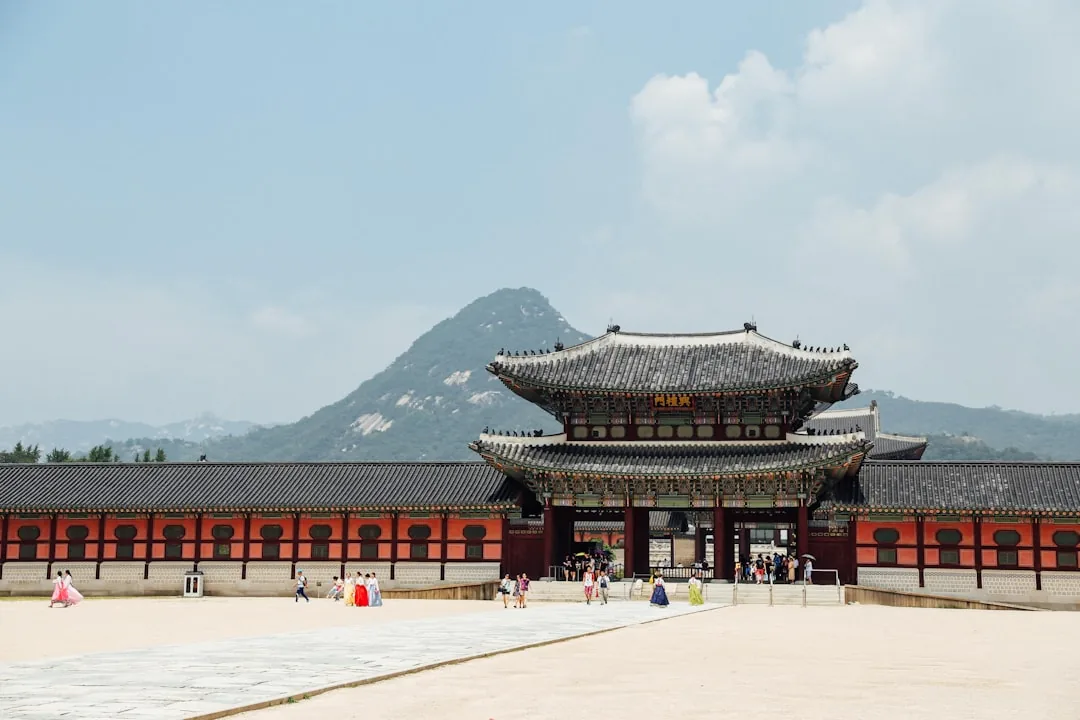
Japanese agents and Korean collaborators stormed Gyeongbokgung Palace before dawn on October 8, 1895, killed her inside Geoncheonggung, the residence compound at the back of the palace where she slept, then carried her body into a nearby stand of trees and burned it. The record of the Eulmi Incident puts the operation under Japan’s own minister to Korea, Miura Gorō, who had held the post for 37 days. Japan then recalled the men involved, and on January 20, 1896 released all of them, soldiers and civilians alike, on grounds of insufficient evidence. Most historians read that outcome as a tacit admission that the assassination was state-directed rather than a rogue act. Gojong proclaimed the Korean Empire in 1897, two years after her death, and only then did she receive the posthumous name Myeongseong and the rank of empress. She never held that title while alive.
Why Is Empress Myeongseong Back in the News in 2026?
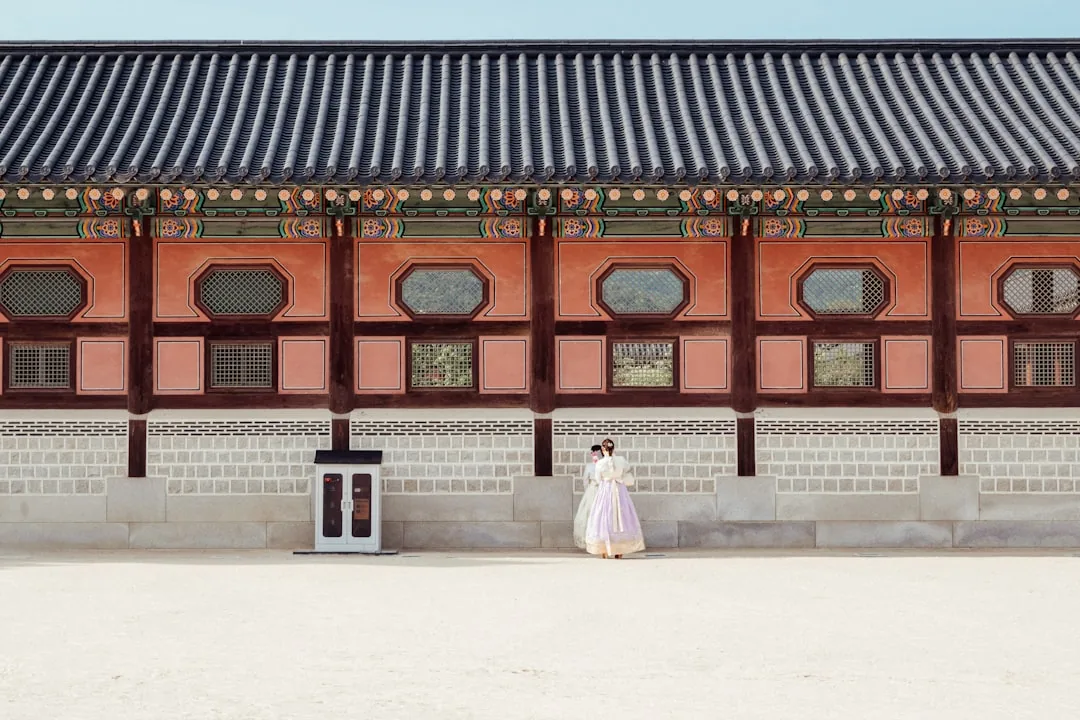
Dramas keep pulling her back into mainstream conversation, and most of them still flatten her into one of two roles: doomed victim or scheming antagonist. Read past the recap articles into the actual court records and a messier, more strategic, more consequential figure shows up. That gap between screenplay and archive runs through every Joseon palace drama, and how much of The East Palace is real history is the same question asked of a different reign. If you want to stand where the Eulmi Incident happened, Geoncheonggung is still there at the northern end of Gyeongbokgung, so the case for Gyeongbokgung over Changdeokgung is worth reading before you pick a palace day. And if you’re curious how deeply Joseon-era hierarchy still shapes daily life in Korea, the Confucian etiquette that ruled her court is still visible in offices and family gatherings today.
Frequently Asked Questions
Q: Was Empress Myeongseong the same person as Queen Min?
Yes. “Queen Min” refers to her status before 1897, and “Empress Myeongseong” is the posthumous imperial title she received after Gojong declared the Korean Empire, two years after her assassination.
Q: Why do some dramas portray Empress Myeongseong as evil?
Court corruption tied to her Min clan appointments was real and heavily reported by rival factions and foreign observers in the 1880s, and some dramatizations exaggerate that record into outright villainy while ignoring her modernizing and anti-Japanese moves.
Q: Did Empress Myeongseong try to modernize Korea?
Yes. Her court backed the opening of Korea’s first Western-style state hospital in 1885, sent officials abroad to study foreign administration, and in the 1890s she pushed for Russian support specifically to blunt Japanese influence over the peninsula.
Q: Who killed Empress Myeongseong?
Japanese agents acting under orders from Miura Gorō, Japan’s minister to Korea, assassinated her inside Gyeongbokgung Palace on October 8, 1895, with the help of some Korean collaborators.
Q: Is there a real photograph of Empress Myeongseong?
No verified photograph of Empress Myeongseong survives, and historians still don’t agree that any authentic image of her exists at all. The portrait passed around most often online (a seated woman in Korean court dress) was captioned “A Korean Lady in Full Costume” in the Western books that first printed it, and Korean scholars have argued since the early 2000s that she’s a court lady, not the queen: the outfit lacks the embroidery a royal consort’s would carry. A separate photo unveiled as a family heirloom in 2003 was judged by experts to show a high-ranking woman who still wasn’t her. It fits the pattern. Much of what “Empress Myeongseong” looks like in the popular imagination is later reconstruction, the same way her supposed given name is.
Q: Where is Empress Myeongseong buried?
At Hongneung in Geumgok-dong, Namyangju, just northeast of Seoul, sharing a single tomb mound with Gojong. Her grave moved more than once: the burial site was shifted to Cheongnyangni in 1896–97 and given the tomb name Hongneung, then moved again to Geumgok in 1919 when Gojong died and the two were interred together. The grounds were designated a national historic site on May 26, 1970, and were built in imperial rather than royal form, with a spirit hall in place of the usual T-shaped pavilion and stone elephants and camels along the approach.
Q: Is she Queen Min of Korea, Empress Myeongseong of Joseon, or Queen Myeongseong?
All three show up in searches, and only two are historically precise. “Queen Min of Korea” fits her life before 1897, since Min was her clan name and queen consort (wangbi) was her actual rank in the Joseon dynasty. “Empress Myeongseong of Joseon” is the informal label people use for continuity, but strictly speaking the name Myeongseong and the empress title only arrived in 1897, after Gojong folded the Joseon royal house into the new Korean Empire. “Queen Myeongseong” is the loosest of the three: it pairs her earlier rank with a name she wasn’t given until after her death, so you won’t find it in primary Joseon-era sources.
Strip away both the martyr myth and the villain myth, and what’s left is a 19th-century political survivor who outmaneuvered rivals for three decades before a foreign government decided she was too dangerous to leave alive.
Part of Historic Figures & UNESCO Heritage