Easy Kimchi Fried Rice Recipe: Korea's Laziest Dinner
On this page
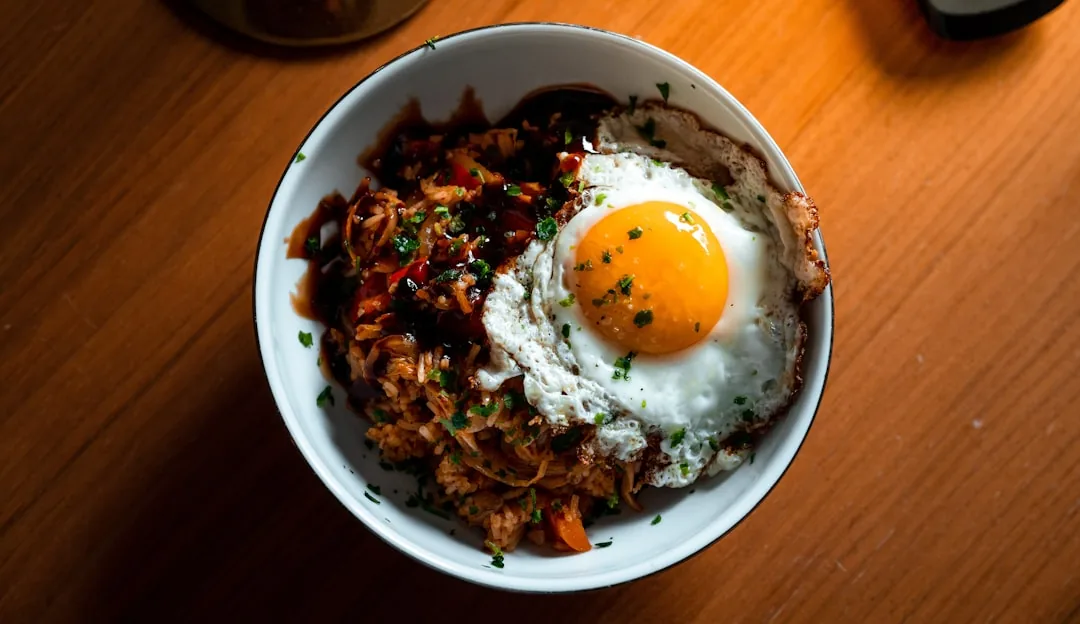
The simplest kimchi fried rice recipe is barely a recipe at all: get a hot pan, throw in cold day-old rice, chopped sour kimchi, a splash of its brine, and a fried egg, and you’ve got a sizzling, tangy dinner in about 10 minutes. Koreans call it kimchi-bokkeumbap (bokkeum means stir-fried, bap means rice), the romanization Korea’s agriculture ministry standardized in 2009 when it published standard English names for Korean dishes and defined this one as “a spicy dish consisting of fried rice and chopped kimchi.” The whole point is that aging, too-sour kimchi and leftover rice, the two things most kitchens already have, are exactly what it wants.
Quick answers
- Kimchi fried rice (kimchi-bokkeumbap) is stir-fried rice cooked with chopped kimchi, its brine, and a protein of your choice, usually finished with a fried egg on top.
- The best kimchi for this recipe is kimchi that has fermented past its prime, since the extra sourness and fizz give the dish its signature tang.
- For one serving, start with 1 cup of cold cooked rice, 1/2 cup of chopped kimchi and 1 to 2 tablespoons of brine; it takes about 10 minutes from cold rice to plate.
What Makes This Easy Kimchi Fried Rice Recipe So Forgiving
This easy kimchi fried rice recipe works because it’s built around ratios, not precision: the sourer your kimchi and the drier your rice, the better the result. Sour is the flavor you’re chasing here. The international Codex standard for kimchi describes kimchi as ripened “by lactic acid production at low temperatures,” and that acid keeps building while the jar sits in your fridge, which is why kimchi turns tangier and fizzier week by week. Once it’s too sharp to enjoy raw as a side dish, it’s perfect for the pan, where the heat softens the sourness and caramelizes the edges of the cabbage. You’ll find the dish barely resembles a restaurant recipe card. It’s closer to a formula: whatever is aging at the bottom of the kimchi container becomes tonight’s dinner.
The Kimchi Fried Rice Ingredients You Actually Need
You need exactly four things: cold, day-old rice; well-fermented kimchi; a splash of its brine; and a fat to cook it in. Everything past that is optional. A 2-to-1 ratio of rice to kimchi is a safe first try, and you can push the kimchi higher once you know how sour your batch is.
- Rice: leftover and cold works better than fresh, since it fries instead of steaming into mush.
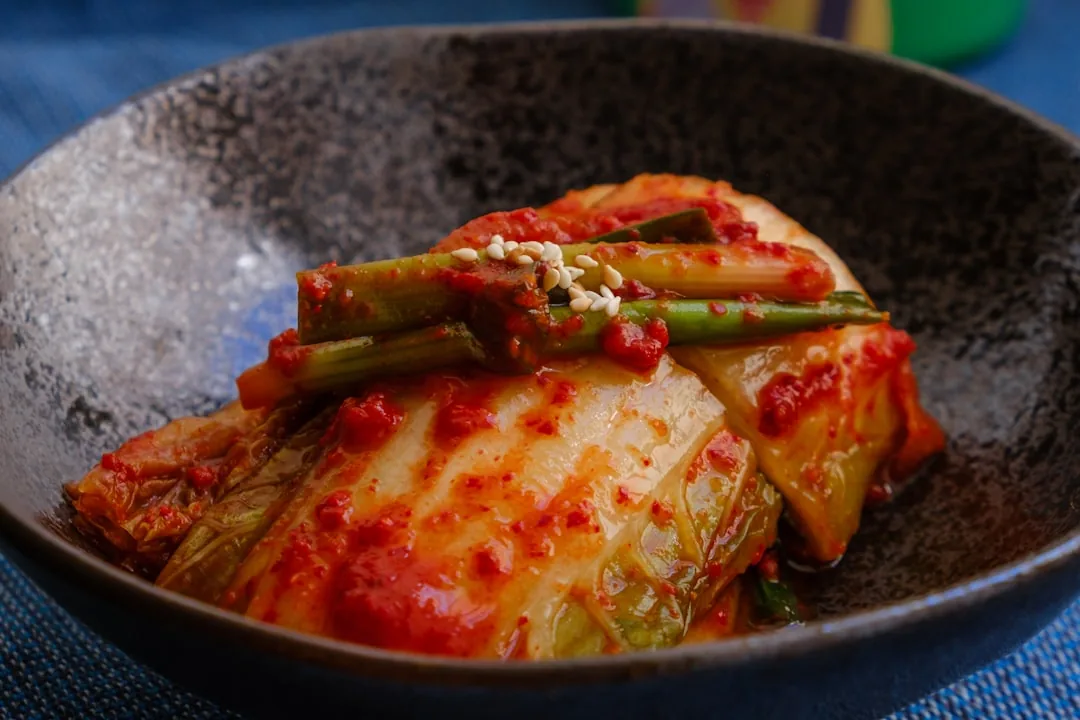
- Kimchi: older, sourer napa cabbage kimchi, chopped into bite-size pieces, plus a spoonful of the brine. A cheap pasteurized jar is fine here, because the heat of the pan kills the live cultures anyway (the full story is in whether store-bought kimchi has probiotics).
- Fat: vegetable oil at minimum, though a spoon of bacon fat or sesame oil adds depth.
- Protein (optional): diced spam, leftover bulgogi, canned tuna, or cubed tofu for a vegetarian version.
- Egg: fried sunny-side up, for the top.
How to Make Kimchi Fried Rice Step by Step
- Heat oil in a wide pan or wok over medium-high heat.
- If you’re using spam, tofu, or another protein, fry it first until it browns, then push it to the side.
- Add the chopped kimchi and a splash of brine, and stir-fry for two to three minutes until it smells less raw and slightly caramelized.
- Add the cold rice, breaking up clumps with your spatula, and stir until every grain is coated red.
- Fry a separate egg, slide it on top, and finish with a drizzle of sesame oil and a scatter of green onion.
Kimchi Fried Rice Variations for Every Pantry
Global pantries don’t all stock the same things, so treat this as a base recipe rather than a rulebook. Out of spam? Crack in an extra egg and call it dinner. Want it spicier? Stir in half a spoon of gochujang along with the kimchi. Tuna works surprisingly well if you drain it hard first, and cubed firm tofu, pan-fried until it has a crust, makes a solid vegetarian stand-in for anyone skipping meat. Compare that flexibility to a full Korean barbecue spread, which needs a grill, a table, a group of people, and a debate over which cut to order first. Kimchi fried rice is the opposite occasion: the dish you make for one, standing at the stove, not the one you plan a night around.
Frequently Asked Questions
Q: What’s the simplest kimchi fried rice recipe?
The simplest version is four things stir-fried together: cold day-old rice, sour kimchi, a splash of its brine, and a spoon of oil, cooked for about five minutes and topped with a fried egg. Skip the protein and the gochujang and you’ve still got a proper bowl of easy kimchi rice, which is exactly why it’s the fastest simple kimchi fried rice most people learn to cook.
Q: Can I use fresh kimchi instead of old kimchi?
Yes, but the flavor will be milder and less tangy. If your kimchi is fresh, add an extra splash of brine or a pinch of sugar and vinegar to fake the sourness that aged kimchi brings naturally.
Q: What can I use instead of spam in kimchi fried rice?
Leftover bulgogi, canned tuna, diced bacon, or cubed tofu all work; the protein is there for texture and salt, not tradition, so use whatever you already have open in the fridge.
Q: Why is my kimchi fried rice mushy instead of fluffy?
You likely used freshly cooked, warm rice. The extra moisture steams instead of frying, so refrigerate rice overnight, or spread it out to cool and dry for at least 20 minutes before it hits the pan.
Q: Is kimchi fried rice spicy without gochujang?
Mildly. Well-fermented kimchi already carries chili heat and plenty of umami on its own, so most bowls land at a gentle, tangy warmth, and gochujang is an optional add for people who want more fire or a deeper red.
Q: Can I reheat leftover kimchi fried rice?
Only if the rice hasn’t been reheated before. The Food Standards Agency advises never reheating rice more than once, and frying day-old rice already counts as that one reheat, so cook only what you’ll eat. A batch made from freshly cooked rice can be chilled within an hour and reheated once the next day.
Once you’ve made it a few times without measuring anything, you’ll stop thinking of it as a recipe at all, just the thing you do with rice and kimchi that’s about to turn.
Part of Noodles & Rice Dishes