Is the Seoul Palace Integrated Ticket Worth It in 2026?
On this page
Six thousand won is the number that matters at a Seoul palace ticket booth as of 2026, and almost every English guide you’ll find still says ten thousand. The Integrated Ticket of Palaces (궁궐 통합관람권) was overhauled on 20 May 2024: Changdeokgung’s Huwon came out of the bundle, the price fell from ₩10,000 to ₩6,000, and the validity window doubled from three months to six. That rewrite quietly changed the answer to “is it worth it,” because the pass now sits just ₩3,000 below the cost of buying all five sites one by one. The margin is thin enough that the real question is how many palaces you’ll genuinely walk into, not how much you’ll save. It is also a price with an expiry date on it: the Korea Heritage Service is preparing the first increase in over twenty years, aimed at January 2027.
Quick answers
- The Integrated Ticket of Palaces costs ₩6,000 as of 2026 and stays valid for six months, covering one entry each to Gyeongbokgung, Changdeokgung, Changgyeonggung, Deoksugung and Jongmyo.
- Bought separately those five sites total ₩9,000, so the pass breaks even at two palaces and only starts saving you money at the third, capping out at ₩3,000.
- Changdeokgung’s Huwon (Secret Garden) was removed from the pass in May 2024 and is now a separate ₩5,000 reservation-only guided ticket.
- Admission has been frozen since 2005. The Korea Heritage Service plans to publish a revised fee structure in November 2026 and apply it from January 2027.
Is the Seoul Palace Integrated Ticket Worth It? The Break-Even Math
Only if you’ll reach a third site, because two palaces put you exactly at break-even rather than ahead. Here is every number the decision rests on, taken from the Korea Heritage Service’s official admission fee schedule and current as of 2026:
| Site | Adult ticket, bought separately |
|---|---|
| Gyeongbokgung | ₩3,000 |
| Changdeokgung (main palace) | ₩3,000 |
| Changgyeonggung | ₩1,000 |
| Deoksugung | ₩1,000 |
| Jongmyo | ₩1,000 |
| All five separately | ₩9,000 |
| Integrated Ticket | ₩6,000 |
The two headline palaces, Gyeongbokgung and Changdeokgung, run ₩3,000 each. Add them together and you land on ₩6,000, the exact price of the pass. So a two-palace trip costs you nothing extra and saves you nothing either. Your third stop is the precise point where the ticket starts working for you, and because the remaining three sites are ₩1,000 apiece, the best possible outcome is ₩3,000 saved for visiting all five.
That is roughly a convenience-store coffee, which is the part no ranking guide says out loud. Treat the pass as a commitment device rather than a discount: it removes the small daily decision about whether ₩1,000 for Changgyeonggung is worth the detour, and the six-month validity means the last entries can wait for better weather, which is worth lining up against the regional peak dates for autumn foliage.
What Does the ₩6,000 Pass Actually Cover?
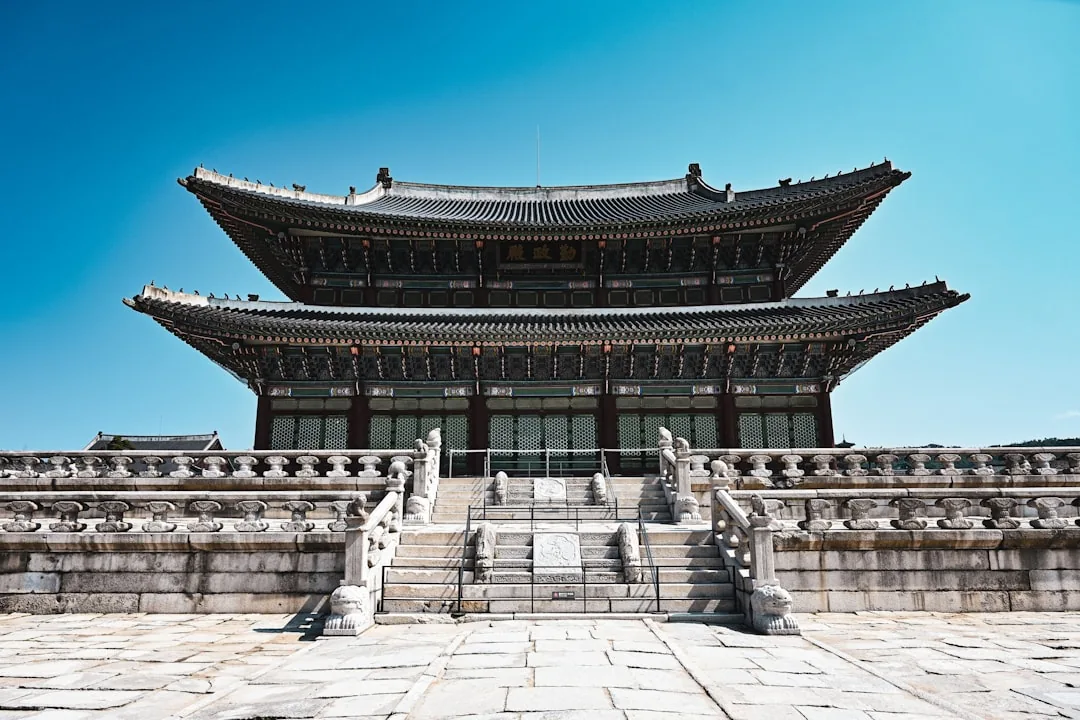
One entry each to four palaces and Jongmyo, valid for six months from the day of purchase. Gyeongbokgung, Changdeokgung’s main palace grounds, Changgyeonggung, Deoksugung and Jongmyo Shrine make up the five, and you can use them in any order, across any number of days. Ticket offices at all five sites sell the pass; at Gyeongbokgung, only the booth in front of Heungnyemun does. The five sites cluster within a few subway stops of each other in central Seoul, so one transit card carries you between them, and whatever is left on it can be refunded at the airport before you fly home.
Closing days will wreck a tight plan faster than the price ever will. Gyeongbokgung and Jongmyo shut on Tuesdays, while Changdeokgung, Changgyeonggung and Deoksugung shut on Mondays, so a Monday-to-Tuesday city break can never cover the whole pass. Those closures are fixed in the Korea Heritage Service’s palace viewing regulations rather than set site by site. Jongmyo layers on one more rule: entry is by timed guided tour on Mondays, Wednesdays, Thursdays and Fridays, with free self-guided wandering limited to Saturdays, Sundays, public holidays and the last Wednesday of each month.
Why Isn’t Changdeokgung’s Secret Garden Included?
It was pulled out of the pass on 20 May 2024, and that single change is why the price fell. Huwon runs on capped, reservation-based guided sessions, so bundling it into an open-ended ticket generated more disappointment than convenience: visitors paid the premium, found every slot booked, and got nothing for it. Since 2024 the Secret Garden has been sold as its own ₩5,000 ticket, reserved online ahead of time or claimed from the same-day allocation at the Changdeokgung booth, and it plays out as an hour-long walk with a guide rather than free roaming. The fee schedule also notes the catch that surprises people at the gate: a Huwon ticket does not admit you to Changdeokgung itself, so the palace ticket is a separate purchase on top.
Who Should Skip the Pass Entirely?
Anyone who already enters free, and anyone visiting a single palace. Hanbok wearers get in free at the palaces regardless of nationality, so a rented-hanbok photo day turns ₩6,000 into pure loss. The last Wednesday of every month is Culture Day, when admission is free anyway. The age exemptions are worth checking before you queue, because they are not the same for everyone: Korean nationals aged 24 and under or 65 and over enter free, while foreign visitors qualify at 18 and under or 65 and over, on presentation of ID at the booth.
And if Gyeongbokgung is the only palace on your list, ₩3,000 is simply the cheaper answer. Choosing between the two big ones is a separate question that our Gyeongbokgung vs Changdeokgung comparison settles properly.
One 2026 development is worth filing away, because a date is now attached to it. Palace and royal tomb admission has sat frozen since 2005, and the Korea Heritage Service closed its review with a public debate at the National Palace Museum on 8 September 2026. The survey behind that debate put a fair price for palace admission at an average of ₩9,203 across 6,635 respondents, with the expert panel landing lower at ₩7,940. The agency intends to publish a revised fee structure in November 2026 and apply it from January 2027. Nothing has changed at the ticket window yet, but a pass whose best case is ₩3,000 saved would read very differently against gate prices near ₩9,000.
Frequently Asked Questions
Q: How much is the Seoul palace integrated ticket in 2026?
₩6,000 for an adult, valid six months from the date of purchase. The ₩10,000 figure still quoted across older guides, forum threads and blog posts was replaced back in May 2024.
Q: Does the integrated ticket include Changdeokgung’s Secret Garden?
No. Huwon left the pass on 20 May 2024 and now needs its own ₩5,000 ticket plus a reservation for a specific guided time slot.
Q: How many palaces do I need to visit for the pass to pay for itself?
Three. Gyeongbokgung and Changdeokgung alone total ₩6,000, identical to the pass, so any saving begins only at your third site and caps out at ₩3,000.
Q: Can I use the integrated ticket twice at the same palace?
No — it covers one entry per site. Once the Gyeongbokgung portion is used, a return visit means buying a regular ₩3,000 ticket.
Q: Can I buy the pass online before flying to Korea?
No. It is sold only at the ticket offices of the five sites, and at Gyeongbokgung only the booth in front of Heungnyemun stocks it, so budget a few minutes at your first gate rather than planning to arrive pre-ticketed.
Q: Will palace admission get more expensive in 2027?
Very likely. Prices have not moved since 2005, and the Korea Heritage Service means to announce a revised structure in November 2026 for use from January 2027. Respondents to its own survey put fair palace admission at ₩9,203, roughly three times today’s ₩3,000 gate price. The six-month validity means a pass bought late in 2026 still has months of its window left once the new prices begin.
Buy it at your first gate if three sites are genuinely on the list. Otherwise hand over the ₩1,000s as you go and keep the change for the walk to the next palace.