Is 3 Days Enough for a Korea Trip? The Honest Hour Count
On this page
Seventy-two hours sounds generous until you start subtracting. Immigration, baggage claim, the ride in from Incheon, hotel check-in, and the whole sequence again in reverse all come out of the same block, and none of it is the trip. Ask whether 3 days is enough for a Korea trip and the honest answer turns on which hours your two flights leave behind, not on how tightly you pack the itinerary. Do the subtraction first. What survives is about two days’ worth of waking hours — one long afternoon, one full day and one short morning. That is plenty for Seoul and thin for everything past it.
Quick answers
- A weekend-shaped trip is enough for Seoul one neighbourhood at a time, and not enough for Seoul plus Busan or Jeju.
- The AREX express covers Seoul Station to Incheon Terminal 1 in 43 minutes for ₩13,000, while the all-stop train needs 66 minutes from Terminal 2 and charges ₩5,350.
- Flight times decide everything: a midday landing with an evening departure leaves roughly 33 waking hours on the ground, where a late arrival and a morning return cuts that to about 15.
- Passport holders from 22 countries and regions, Japan and Taiwan included, skip K-ETA entirely through 2026.
Is 3 Days Enough for a Korea Trip?
Yes for Seoul, no for Korea. Three days buys one city properly, or two cities badly. The clock starts when the aircraft door opens rather than at midnight on day one, and it stops when you leave for the airport rather than when you get home. A Friday 11:40 arrival paired with a Sunday 18:20 departure is sold as three days and delivers about 55 hours on Korean soil. Sleep, at eight hours a night, claims 16 of those. Airports and airport trains claim six more on the estimate below. Everything you came for happens in what is left, and that number is small enough to change how you plan.
Where the 72 Hours Actually Go
Into four fixed costs, and only one of them is negotiable.
| Slice of the trip | Hours gone |
|---|---|
| Gap between “3 days” and your real flight times | 17 |
| Two nights of sleep (8 hours each) | 16 |
| Arrival: immigration, bags, train into Seoul (estimate) | 2 |
| Departure: hotel to Terminal 1, check-in, security, gate (estimate) | 4 |
| Left to spend | about 33 |
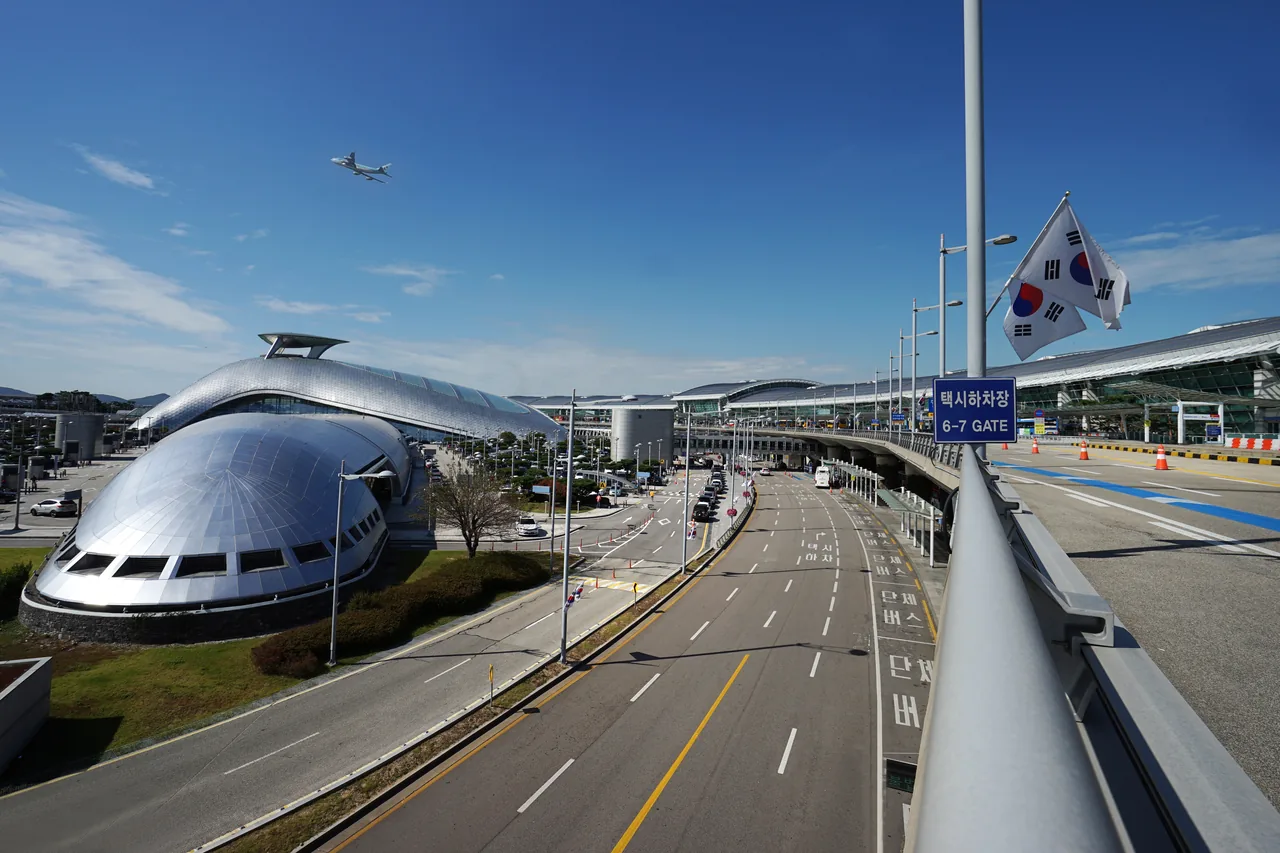
The negotiable one is the transfer. As of 2026 the AREX express seat costs ₩13,000 for an adult, against a posted standard fare of ₩18,500 to Terminal 1. It runs Seoul Station to Terminal 1 in 43 minutes, and to Terminal 2 in 51 minutes. The all-stop train on the same line charges ₩4,750 from Terminal 1 and takes 66 minutes end to end from Terminal 2. AREX’s own figure for the all-stop run from Terminal 1 to Seoul Station is 59 minutes. Paying ₩8,250 extra to save 16 minutes is worth it on the morning you are chasing a flight and rarely worth it on arrival day, when your room is not ready anyway.
Two other airport chores are worth deciding before you land: whether you want an eSIM or a pocket wifi router, and where you will unload your T-money card balance on the way out. Both take five minutes when settled in advance and half an hour when improvised at a counter.
How to Spend the Hours the Ledger Leaves You
Pick one district per half-day and refuse to cross the river more than twice. Gyeongbokgung charges ₩3,000 and the five-site Integrated Ticket of Palaces ₩6,000 in 2026, a margin the palace pass arithmetic only turns positive at your third site, which a 33-hour trip will not reach. The palace opens at 09:00 and stops admitting visitors at 17:00 through September and October, so an 11:40 landing on day one quietly pushes it to day two.
Evenings are where a short trip wins, because the neighbourhoods worth an evening do not close early. Hongdae and Seongsu are the two obvious candidates, and the difference between them decides which one deserves your single free night. If your hotel sits in the city’s west, get off at Hongik University Station instead of riding to the end of the line: the all-stop fare table lists ₩4,650 from Terminal 1 against ₩4,750 to Seoul Station, and the stop arrives eight minutes earlier.
Should You Add Busan or Jeju?
No, not on two nights. Korail’s published figure for the Seoul to Busan KTX, released in 2024, is 2 hours 23 minutes each way. Call it five hours seated before you count getting to Seoul Station and out of Busan Station at the other end. That is roughly a sixth of everything the ledger left you, spent looking at the inside of a train. Jeju reads worse on paper, since a domestic flight swaps the train for two more airport processes and a second set of security queues. Save the second city for a trip with a third night in it.
Frequently Asked Questions
Q: How many days do you need in Korea to see more than Seoul?
Four nights is the realistic floor for Seoul plus one other city, because the second city needs a night of its own to justify the transit. Five nights lets you reach Busan or Jeju without spending a full day of the trip in transit.
Q: Do Japanese passport holders need a K-ETA for a weekend trip?
No. The temporary waiver covers 22 countries and regions, Japan and Taiwan among them, and it holds through 2026. Applying anyway is optional and carries a fee; what it buys is skipping the paper arrival card handed out on the plane.
Q: What is the last airport train out of Seoul Station at night?
On weekdays the express departs at 23:00 and reaches Terminal 1 at 23:43. Miss it and you are down to a night bus or a taxi, neither of which is priced like the seat you skipped.
Q: Is a 2 nights 3 days Korea itinerary better with an early or late flight?
Early out, late back. A morning departure from home with an evening return is the difference between roughly 33 usable hours and roughly 15. Compare the two pairings before you sort the search results by price, because the cheaper pair usually charges you a day.
Three days is not a short trip to Korea. It is a full trip to one Korean city, and the itinerary improves the moment it admits that.
Part of Korea Travel Tips & Essentials