Best Time to Visit Korea Before Monsoon Season: Early June
On this page
- Why Early June Is the Best Time to Visit Korea Before Monsoon Season
- Rain: When Jangma Really Reached Seoul, 2024 to 2026
- Weather: Warm Days, and Warmer Than They Used to Be
- Crowds and Costs: What the 2026 Numbers Show
- What You Give Up by Skipping Cherry Blossom Season
- Who Should Still Pick Cherry Blossom Season Instead
- Frequently Asked Questions
Early June, roughly May 25 to June 15, is the best time to visit Korea before monsoon season, and for a broad first trip it beats cherry blossom week on the things you’ll feel on the ground: warm days, longer palace hours and no festival crush at the famous spots. The window opens once the petals drop and closes when jangma, Korea’s summer rainy season, reaches Seoul. That date moves around more than a single rule of thumb suggests. Over the last three summers it landed on June 29 (2024), June 19 (2025) and July 1 (2026), against a long-term normal of June 25.
Quick answers
- Yes, early June (about May 25 to June 15) is a better pick than cherry blossom season for a broad first trip, because it’s warm and the crowds aren’t funneled into a few blossom spots.
- Jangma reached central Korea on June 29 in 2024, June 19 in 2025 and July 1 in 2026, so a trip that wraps up by mid-June has stayed dry of it in Seoul every year since 2024.
- Don’t expect a big discount: Korea logged about 2.02 million foreign arrivals in April 2026 and 1.99 million in June, so what you gain is elbow room, not a cheaper trip.
Why Early June Is the Best Time to Visit Korea Before Monsoon Season
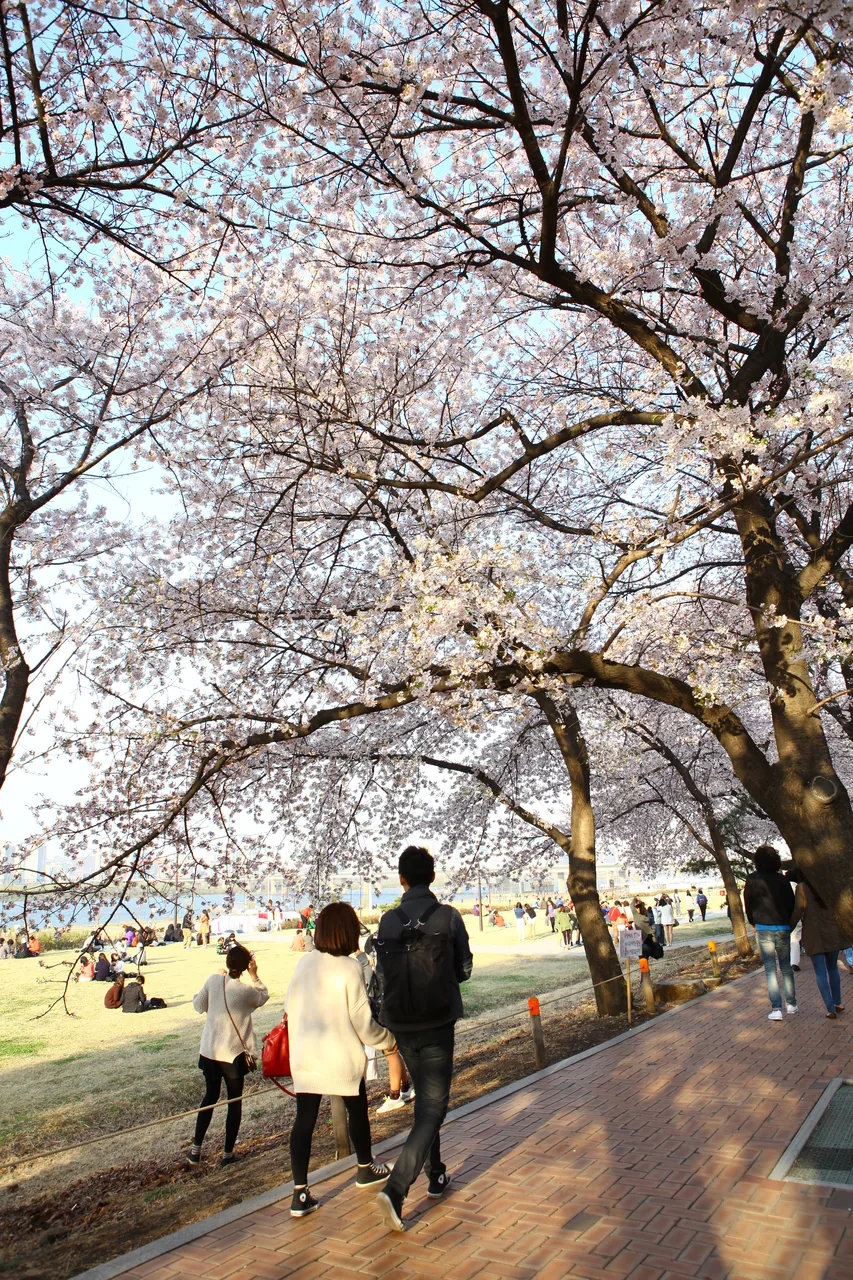
Early June is the best time to visit Korea before monsoon season because it sits between two short, crowded peaks: the blossom festivals of late March and early April, and the start of jangma in late June or early July. In 2026, Jinhae’s Gunhangje festival ran March 27 to April 5, and Seoul’s Yeouido Spring Flower Festival lasted just five days, April 3 to 7 (Seoul culture portal listing). By late May both are long over, and the rain hasn’t started.
| Cherry blossom week | Early June (May 25 to June 15) | |
|---|---|---|
| 2026 dates | Jinhae Mar 27 to Apr 5, Yeouido Apr 3 to 7 | Ends before Seoul’s jangma (July 1 in 2026) |
| Crowds | Concentrated: 3.34 million visitors at Jinhae in 10 days | Spread out, no single national draw |
| Foreign arrivals, 2026 | 2.02 million (April) | 1.99 million (June) |
| Palace closing time | 18:00 | 18:30 (June to August) |
| Gyeongbokgung adult ticket | ₩3,000 | ₩3,000 |
| Seasonal scenery | Blossoms and festival stalls | Fresh green, Seoul International Garden Show |
Rain: When Jangma Really Reached Seoul, 2024 to 2026
Jangma reached central Korea, which includes Seoul, on June 29 in 2024, June 19 in 2025 and July 1 in 2026, according to the Korea Meteorological Administration’s summer reviews for 2024, 2025 and 2026. The normal start for the region is June 25. A “June 19 to 25” rule of thumb is too narrow: the rain came later than that in two of those three summers, and in 2026 it was six days late.
A mid-June cutoff still cleared all three years in Seoul. Jeju is the exception to watch. Its normal start is June 19, about a week ahead of Seoul, and in 2025 the rainy season began there on June 12, inside this window. If Jeju is on your route, put it at the front of the trip. Early June isn’t rain-free either: KMA’s 2026 review notes that cold air aloft brought frequent showers through June, even though the totals stayed low, so you’ll want a compact umbrella in your day bag.
Weather: Warm Days, and Warmer Than They Used to Be
Early June is short-sleeve weather in Seoul, while cherry blossom week still has jacket evenings. The trend is toward warmer, not cooler: June 2025 averaged 22.9°C nationwide, 1.5°C above normal and the warmest June in KMA’s records, per the same 2025 summer review. Heat and humidity build as the month goes on, which is one more reason to favor the first half of June over the second.
Summer opening hours help you use those long evenings. Seoul’s royal palaces stay open until 18:30 from June to August instead of the usual 18:00, under the heritage service’s palace visiting rules. Gyeongbokgung is closed on Tuesdays, so build your palace day around that in any season.
Crowds and Costs: What the 2026 Numbers Show
The crowd gap between April and June is about concentration, not national totals. Korea received about 2.02 million foreign visitors in April 2026, 1.94 million in May and 1.99 million in June, according to Korea Tourism Organization figures reported by Edaily. What blossom week adds is a crowd aimed at the same few streets on the same few days: Changwon counted 3.34 million visitors at the 2026 Jinhae festival over ten days, using mobile-network data (Aju News). Early June has no single event pulling everyone to one riverbank.
Fixed costs don’t move with the season. A Gyeongbokgung adult ticket is ₩3,000 and the five-site Integrated Ticket of Palaces is ₩6,000 in 2026, per the Korea Heritage Service fee table; whether that pass pays off is worked out in our palace ticket breakdown. Two free-entry rules apply in any month: anyone wearing hanbok gets in free, and so do foreign visitors aged 18 and under or 65 and over. No official index tracks Seoul hotel rates by season, so treat any promised “June discount” as something to check against your own dates.
One caution if you’re planning for June 2027: the Korea Heritage Service intends to announce new palace fees in November 2026 and apply them from January 1, 2027 (Kyunghyang Shinmun). Recheck those ticket prices before you go.
What You Give Up by Skipping Cherry Blossom Season
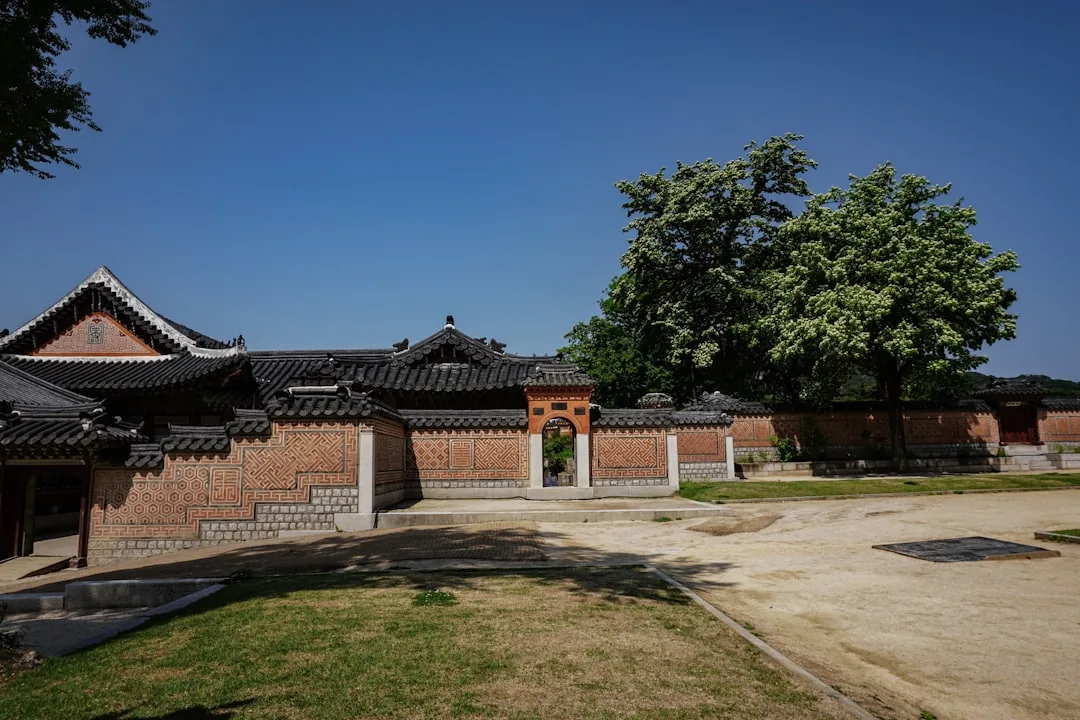
You give up the blossoms themselves, and they don’t wait around: Yeouido’s 2026 festival lasted five days. You also lose the festival atmosphere at Yeouido, Seokchon Lake and Jinhae. Early June swaps that for fresh green foliage on the palace grounds and, in 2026, the Seoul International Garden Show at Seoul Forest, which runs from May 1 to October 27 with 167 gardens, according to the city’s announcement. Seoul Forest sits right beside Seongsu, so it pairs naturally with the cafés covered in our Seongsu vs Hongdae guide. If the blossoms are the whole point of the trip, though, no amount of elbow room replaces them.
Who Should Still Pick Cherry Blossom Season Instead
Pick cherry blossom week if the blossoms are the reason for the trip, if you want specific shots of Yeouido or Jinhae in bloom, or if a festival crowd is part of the fun for you. Choose early June if this is a broad first trip where palaces, markets, hiking and food matter more than one bloom, and you’d rather have long, warm days than a front-row spot under the trees. If neither spring nor early summer fits your calendar, autumn is the other short seasonal window; our fall foliage peak dates by region show how the color moves from north to south.
Frequently Asked Questions
Q: Did the 2026 monsoon start late in Seoul?
Yes. Jangma reached central Korea on July 1, 2026, six days after the June 25 normal, and ended on July 26. In Jeju and the southern provinces it began on June 30.
Q: Is Jeju already rainy in early June?
It can be. Jeju’s normal start is June 19, about a week before Seoul’s, and in 2025 the rainy season began there on June 12. Put Jeju at the beginning of an early-June trip rather than the end.
Q: Is June too hot for sightseeing in Korea?
The first half of the month is comfortable for most visitors, but June is getting warmer: June 2025 averaged 22.9°C nationwide, the warmest June on KMA’s record. Save outdoor sights for mornings and use the 18:30 palace closing time for evening walks.
Q: Are flights and hotels cheaper in early June than in cherry blossom season?
Not reliably. Foreign arrivals were almost identical in April and June 2026 (2.02 million versus 1.99 million), and no official index tracks seasonal hotel rates. What early June reliably avoids is the local surge around blossom festivals, not the overall cost of the trip.
Q: Will Seoul palace tickets cost more in 2027?
That’s the plan. The Korea Heritage Service intends to publish new palace and royal-tomb fees in November 2026 and apply them from January 1, 2027. Until then, Gyeongbokgung costs ₩3,000 for adults.
Pick the season that matches what you want from the trip: five days of blossoms and the crowd that comes with them, or a warm, open stretch of late May and early June that lets you see more of Korea at your own pace.
Part of Best Time to Visit Korea