Myeongdong's New Flagship Stores in 2026: Which to Visit
On this page
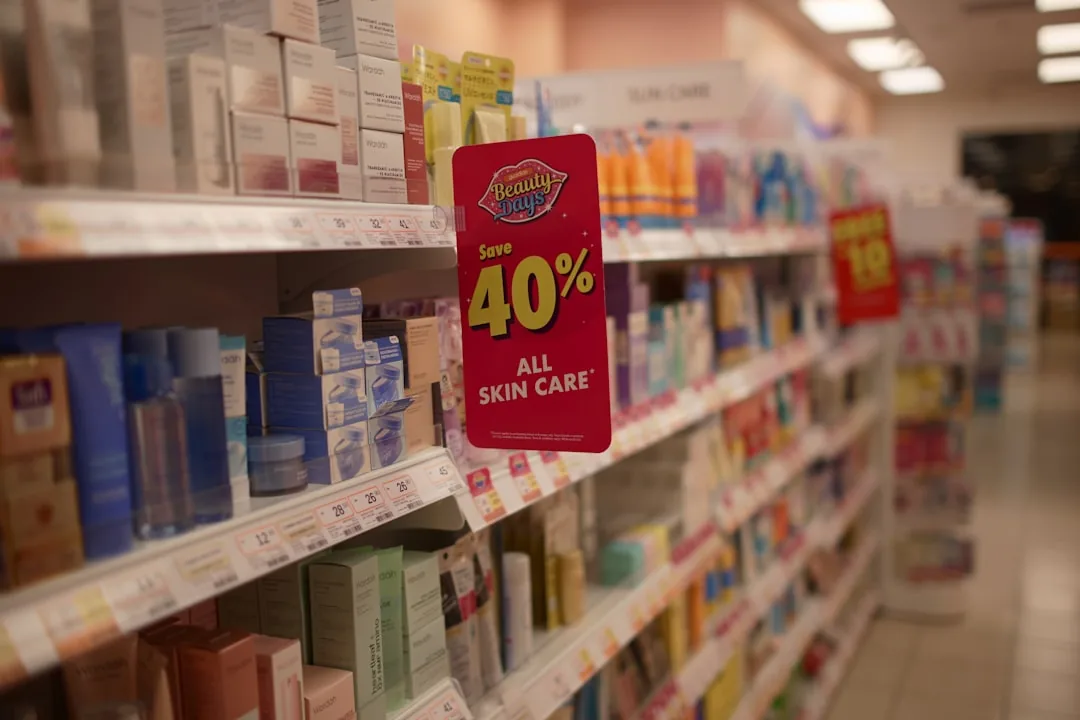
Myeongdong’s new flagship stores in 2026 come down to a short list: Olive Young’s second-largest store in Korea, a returning Uniqlo that is now the brand’s biggest in the country, two new Musinsa fashion stores, and LANEIGE’s first global flagship. They took over the role that single-brand K-beauty roadshops (Innisfree, Nature Republic and Etude House standalones) played on this street for a decade. What surprises most first-timers is how few shops you actually need: instead of hopping between ten near-identical cosmetics stores, you now plan an afternoon around a handful of big ones. Go in expecting fewer stores but bigger ones, and Myeongdong still earns an afternoon in 2026.
Quick answers
- The headline openings of 2026 are Musinsa Store Myeongdong (January 30), Olive Young Central Myeongdong Town (March 26), Uniqlo’s largest Korean store (May 22), LANEIGE Seoul (June 5) and Musinsa Standard Myeongdong Central (September).
- The single-brand K-beauty roadshop era is mostly over: Etude’s Myeongdong 1st-street store and two newer Nature Republic shops all closed in 2024, while multi-brand Olive Young runs nine stores in the district.
- Myeongdong is still worth two to three hours in 2026, but go for the flagship experiences and street food, not the duty-free souvenir run it was known for a decade ago.
What Happened to Myeongdong After 2024?
Myeongdong spent 2020 through 2022 with rows of shuttered storefronts once group tour buses from China stopped arriving; H&M closed its first Korean store here in November 2020, and Uniqlo pulled out of its Myeongdong Central flagship in 2021. What filled the gap once tourists came back wasn’t a return to the old model. Landlords who’d sat on empty units for two years started renting to brands that could take up an entire building rather than a single storefront, and that shift favored companies with the capital to build a “flagship” rather than a shop. The single-brand roadshops that tried a comeback didn’t last: Etude’s Myeongdong 1st-street store, opened in February 2023, closed at the end of 2024, and two Nature Republic stores opened that same winter shut in September and November 2024. By the second quarter of 2026, Cushman & Wakefield Korea’s retail report put Myeongdong’s vacancy rate at 4.4%, well below the 8.5% average across Seoul’s main shopping streets.
Myeongdong New Flagship Stores 2026: The Names Behind the Reboot
The new flagship stores that opened in Myeongdong in 2026 are big, service-heavy and mostly Korean. Olive Young, Korea’s dominant health-and-beauty chain, opened Olive Young Central Myeongdong Town on March 26 with three floors, about 1,000 brands and roughly 15,000 products, making it the chain’s second-largest store in Korea after Olive Young N Seongsu. Uniqlo came back on May 22 with 3,254.8 square meters over three floors, its largest store in the country, five years after closing the old Myeongdong Central branch. Musinsa, the Korean fashion platform, opened Musinsa Store Myeongdong in January with more than 110 brands, most of them Korean labels. What ties them together is scale: none of these would have fit into the narrow storefronts that used to line this street.
| Store | Opened | Why go |
|---|---|---|
| Musinsa Store Myeongdong | January 30, 2026 | 992 m² from B1 to 3F; 110+ brands, over 80% of them Korean |
| Olive Young Central Myeongdong Town | March 26, 2026 | About 950 pyeong (roughly 3,140 m²); 22 staffed checkouts and multilingual staff |
| Uniqlo Myeongdong | May 22, 2026 | Floors 1–3 at Myeongdong 8na-gil 38; RE.UNIQLO Studio repairs and UTme! printing; open 11:00–21:00 |
| LANEIGE Seoul | June 5, 2026 | Myeongdong 8-gil 8; made-to-order lip mask and a robot-made cushion from 150 shades, bookable online |
| Musinsa Standard Myeongdong Central | September 2026 | Four floors (about 500 pyeong) on Myeongdong 8-gil; the brand’s first custom T-shirt service |
Is Myeongdong Still Worth Visiting in 2026?
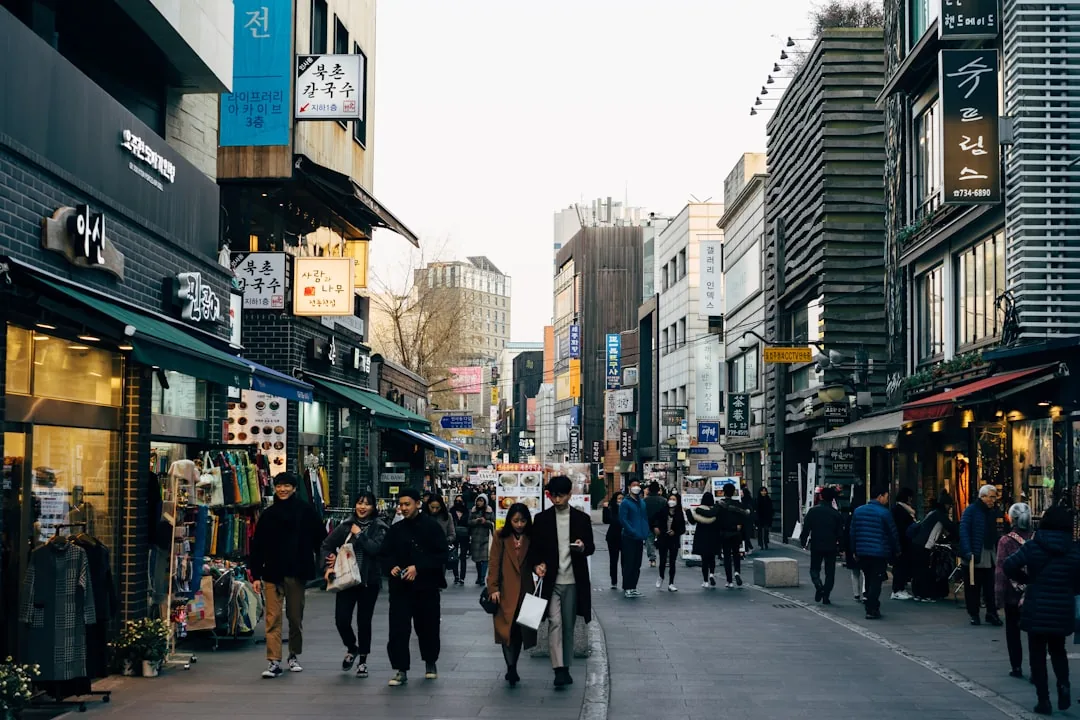
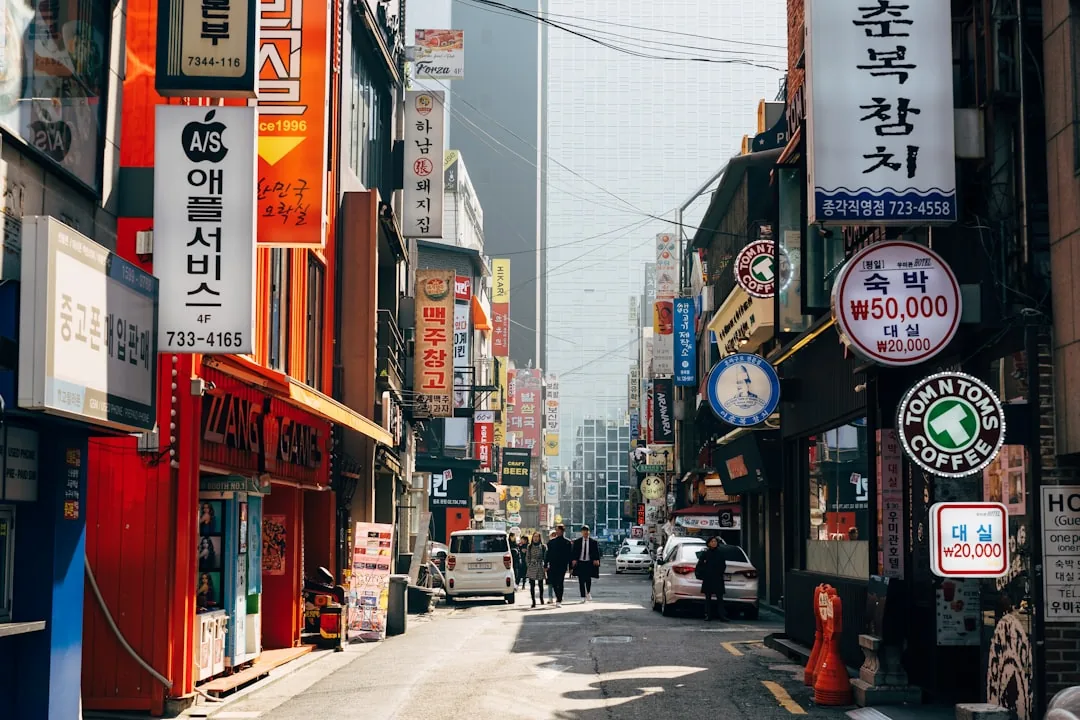
Yes, but for a different reason than it used to be worth visiting. If you’re after the old experience (hopping between ten nearly identical cosmetics shops, each handing out free sheet masks), you’ll be disappointed, because that version of Myeongdong mostly doesn’t exist anymore. What you get instead in 2026 is closer to a compact, walkable retail showcase: a handful of genuinely large stores, street food stalls that never really left, and Myeongdong Cathedral a short walk uphill if you want a quiet break from the crowds. It’s still worth an afternoon, especially paired with a subway ride over on Line 4 or a walk down from Euljiro, but it doesn’t deserve the whole day that guidebooks from 2015 still suggest.
What to Actually Do on a Myeongdong Shopping Trip Now
Go with a shorter list and higher expectations per stop. Budget real time inside one or two of the big stores rather than skimming past a dozen small shops; the product range inside Olive Young’s Central Myeongdong Town alone now rivals what used to take an entire block to see. Check opening times before you set out, because Uniqlo Myeongdong doesn’t open until 11:00. Save room for street food between stores: the tteokbokki and hotteok carts along the main pedestrian strip are still some of the best quick eats in Seoul, though most snacks cost a few thousand won and run pricier than neighborhood stalls. A topped-up T-money card covers the Line 4 ride in, and it’s worth sorting out your data plan before you land so you’re not hunting for WiFi between stores. If you’d rather browse small labels and rotating pop-ups than megastores, spend another afternoon in Seongsu; our Seongsu vs Hongdae comparison covers which neighborhood fits your trip.
Frequently Asked Questions
Q: Is Myeongdong still good for K-beauty shopping in 2026?
Yes, but the format changed. Most K-beauty shopping now happens inside Olive Young’s multi-brand stores, nine of them in the district, and brand flagships like LANEIGE Seoul make cushions and lip masks to order on site.
Q: What replaced the old cosmetics shops in Myeongdong?
Shoppers moved to multi-brand stores, above all Olive Young, and the biggest storefronts went to flagship-format tenants in beauty, fashion and sportswear. Nature Republic hasn’t vanished entirely, though: its Myeongdong World store still sits on the plot that tops Korea’s official land-price ranking.
Q: How much time should I budget for Myeongdong now?
Two to three hours is usually enough in 2026: one or two flagship stores plus a street food stop, rather than a full day, since the street has far fewer individual shops to browse than it did before 2020.
Q: Where is the Nike flagship store in Myeongdong?
Nike Seoul is at 14 Myeongdong-gil and has been open since August 2021, so it predates the 2026 wave. It runs 10:30 to 22:00 daily and offers Nike By You customization and Nike Repair. A separate Nike Myeongdong store sits on the 6th floor of Lotte Department Store’s Avenuel building.
Q: What is the newest flagship store in Myeongdong?
Musinsa Standard’s Myeongdong Central store, which opened on Myeongdong 8-gil in September 2026. It is the brand’s second Myeongdong location after the one that opened in March 2024, spans four floors of about 500 pyeong, and is the first Musinsa Standard store with a custom T-shirt service built around Seoul-themed graphics.
Q: Can I get a tax refund on purchases in Myeongdong?
Yes, at stores registered for tax-free shopping, if you’ve been in Korea for less than six months. Seoul’s official tourism site sets the bar at purchases over ₩15,000; for an on-the-spot refund at the counter, a single purchase must be under ₩1,000,000 and your trip total under ₩5,000,000. Bring your passport, since the counter needs it to process the refund.
Myeongdong isn’t the street it was a decade ago, and treating it like that old street is the fastest way to leave disappointed. Go in expecting a smaller number of bigger, more deliberate flagship stores, budget time accordingly, and you’ll come away with a genuinely useful afternoon instead of a nostalgia trip that doesn’t pay off.
Part of Shopping Districts