eSIM vs Pocket WiFi in Korea 2026: Pick by Traveler Type
On this page
The eSIM-versus-pocket-WiFi question for a 2026 Korea trip comes down to one thing the generic comparisons skip: how many people share the connection. A solo traveler with a compatible phone almost always wants an eSIM, a group or family usually saves money with a single pocket WiFi router, and a long-stay visitor often needs a local Korean number that neither tourist option really covers. The rest of this guide sorts the choice by who you’re traveling as, not by declaring one blanket winner.
Quick answers
- A solo traveler with a compatible phone almost always wins with an eSIM — no pickup counter, no device to return, no battery to babysit.
- A group or family sharing one connection saves money with a pocket WiFi router, since one rental covers everyone’s phones and laptops at once.
- A long-stay visitor or digital nomad often needs a local number for banking apps and delivery services, which a physical SIM or carrier plan handles better than either option alone.
What’s the difference between eSIM and pocket WiFi in Korea?
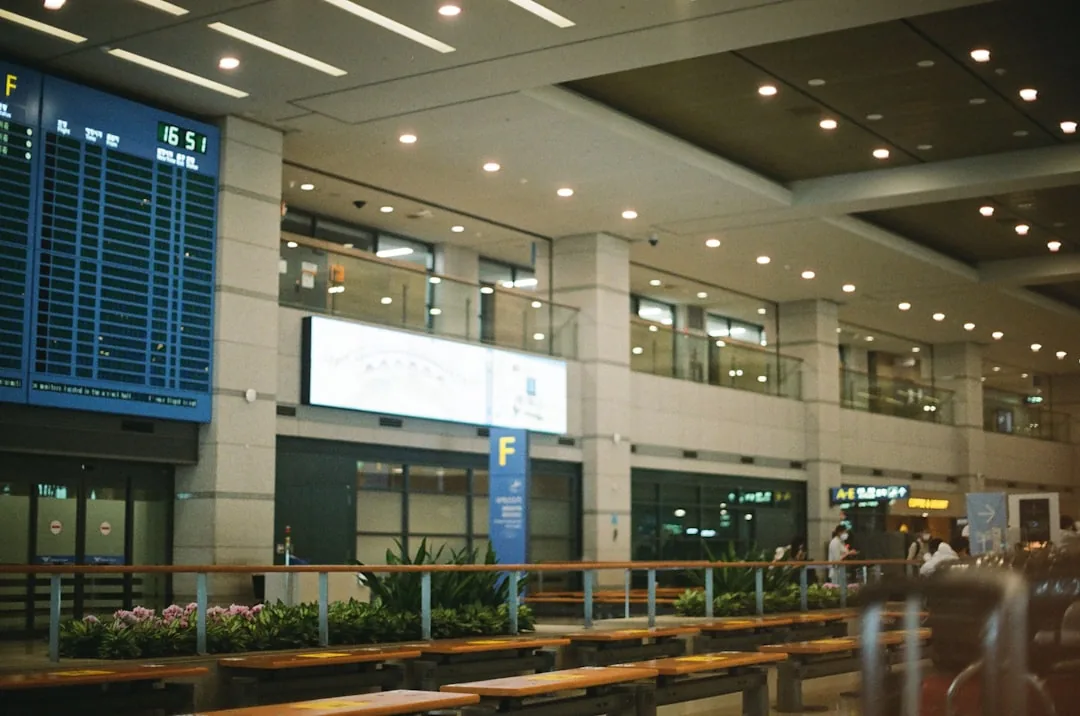
An eSIM is a digital profile installed directly on your phone that gives it its own Korean data connection, while a pocket WiFi is a separate rented router that creates a local hotspot your other devices join. As of 2026, most eSIM plans for Korea run on the KT or SK Telecom networks and activate the moment you land, no counter visit required. Pocket WiFi routers, by contrast, are usually picked up at an Incheon or Gimpo airport kiosk — brands like WABiSABi and Olleh WiFi still run these counters in 2026 — and must be returned before you fly home.
eSIM vs Pocket WiFi Korea 2026: Which One Should You Buy?
For a single traveler with an eSIM-capable phone, the eSIM wins on convenience almost every time. You’ll install it from an app like Airalo or Klook before you even board, and it’s live before you clear immigration. A pocket WiFi still has one clear edge in 2026: it isn’t tied to a single phone’s cellular hardware, so it works with an unlocked laptop, an older phone, or a tablet with no SIM slot at all. If your device supports eSIM, that’s the deciding factor more than anything else on the spec sheet.
Best pick for solo travelers
Solo travelers should default to an eSIM unless their phone is eSIM-incompatible. A typical 8-day Korea eSIM plan cost roughly ₩15,000–25,000 as of 2026, and you avoid carrying, charging, or returning any extra hardware. In practice the handoff between Seoul’s subway WiFi and eSIM data is seamless — Line 2 has continuous underground coverage between Hongdae and Gangnam, so there’s no dead zone to notice.
Best pick for groups and families
Once you’re splitting a connection three or four ways, the math flips toward pocket WiFi. A single router rental in 2026 runs about ₩5,000–7,000 per day and comfortably connects five devices, which works out to under ₩2,000 per person daily for a group of four — cheaper than buying four separate eSIMs. The catch is coordination: one person carries the router, and if you split up in Myeongdong for an afternoon, everyone else loses signal until you regroup.
Best pick for long-stay travelers and digital nomads
If you’re staying longer than a couple of weeks in 2026, neither a tourist eSIM nor a rental router is really built for you. Korean banking apps, food delivery services, and even some building entry systems expect a local phone number, which means a prepaid SIM from a KT or LG U+ store — or a longer-term carrier plan — beats both short-trip options. Budget an afternoon for the store visit and bring your passport and Alien Registration Number if you have one; without it, some plans cap out at 90 days.
Frequently Asked Questions
Q: Does eSIM work everywhere in Korea, including Jeju and rural areas?
Yes — as of 2026, eSIM plans run on the same KT or SKT towers as regular phone service, so coverage on Jeju, in Busan, and along most rural highways matches what a local SIM would get. Coverage gaps are rare and usually limited to deep mountain trails.
Q: Can I use pocket WiFi and eSIM at the same time in Korea?
You can, though most travelers don’t need to. Some pair a pocket WiFi for group devices with a personal eSIM as a backup in case the router’s battery dies mid-day — a reasonable hedge if you’re relying on maps constantly.
Q: Is pocket WiFi or eSIM cheaper for a one-week solo trip to Korea?
For one person, eSIM is almost always cheaper in 2026 since you’re not paying for router hardware you don’t need. Pocket WiFi only becomes the better value once you’re splitting the daily rental cost across two or more people.
Pick the option that matches your trip, not the one with the flashiest ad. A solo trip wants an eSIM’s simplicity, a group wants a pocket WiFi’s shared cost, and a long stay wants a real Korean phone number — and knowing which traveler you are before you land saves more hassle than any spec comparison ever will.